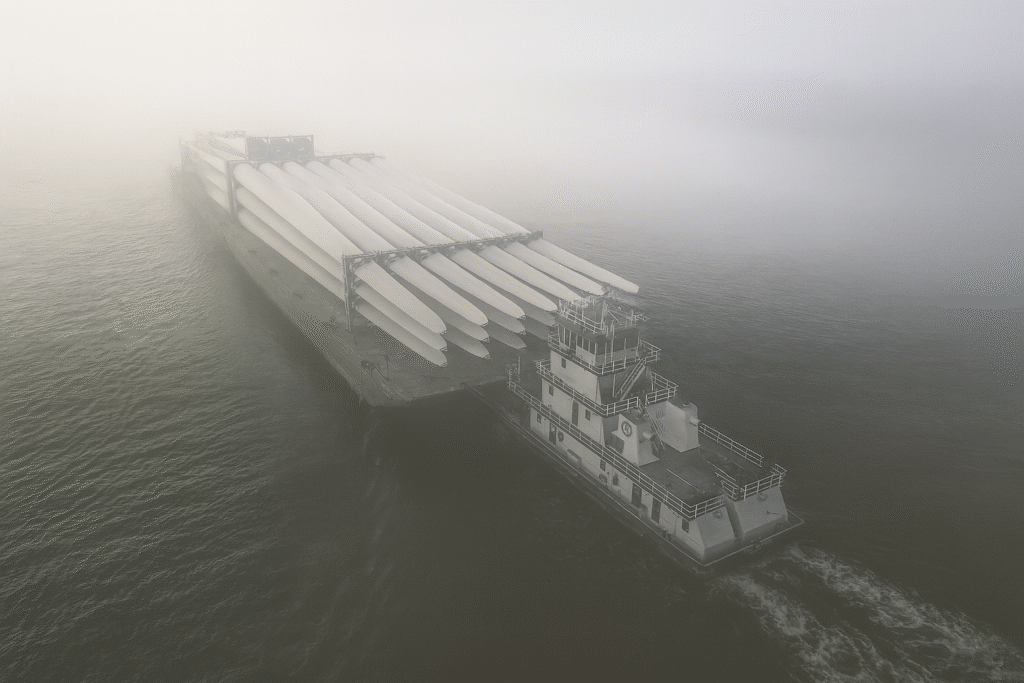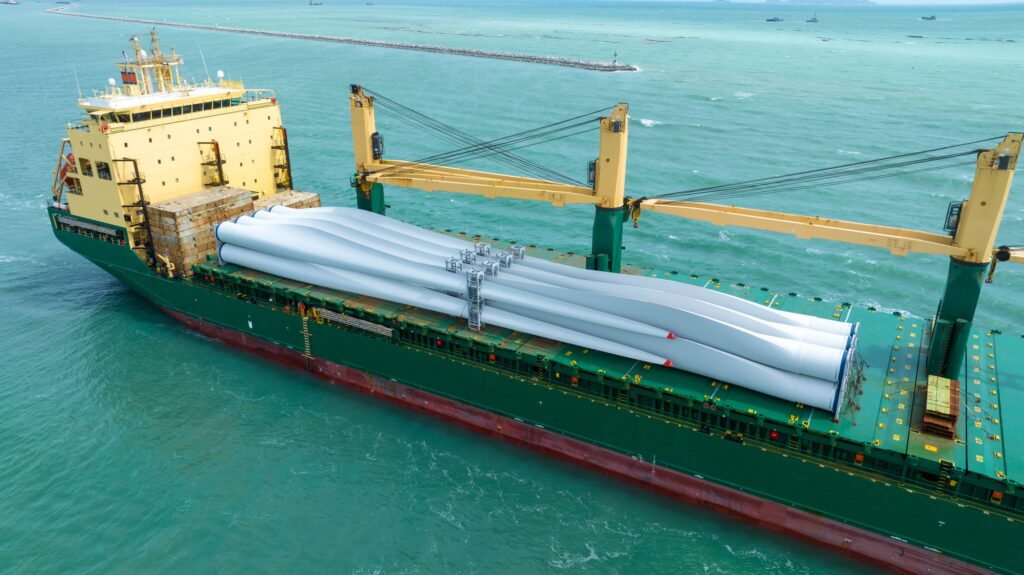

Project cargo transportation plays a critical role in global trade, infrastructure development, and industrial growth. From moving oversized freight like wind turbine blades to shipping production platforms across oceans, it involves more than just trucks, vessels, and cranes.
Project cargo requires specialized equipment, detailed coordination, and experienced project cargo forwarders who understand the complexity of the shipping process. However, the value of project cargo extends beyond the industries it serves.
Every successful project cargo shipment supports energy, construction, aerospace, mining, and oil and gas operations that build economies and communities. When project cargo logistics are handled with extensive planning, customized solutions, and risk management, companies gain confidence that high value equipment will reach its final destination on time and intact.
What Counts as Project Cargo?
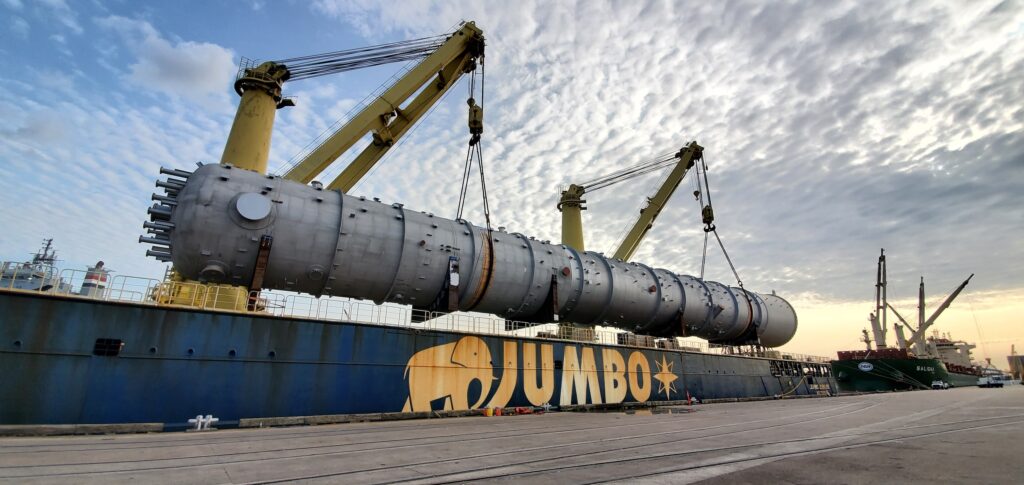
Project cargo refers to freight that is oversized, heavy, high value, or complex in nature, making it unsuitable for standard shipping methods. The equipment often requires customized handling and specialized carriers for domestic or international transportation.
Examples include:
- Wind turbine blades and renewable energy components that stretch hundreds of feet.
- Pipeline components and production platforms critical to oil and gas.
- Military equipment and aerospace industry technology that must be transported with a high level of security.
- Construction equipment such as heavy lift cranes, bridge sections, or modular refinery units.
- High value pieces of equipment like generators and transformers.
Each project cargo shipment is unique. It may involve multiple pieces of equipment, oversized freight that exceeds weight restrictions, or movement to remote locations with limited infrastructure. To protect cargo, the shipping process often includes contingency timelines, special packaging, and careful unloading procedures.
The complexity of transporting project cargo requires extensive planning and expertise. Every detail, from power poles and overhead cables along a route to the availability of heavy lift vessels at sea, must be addressed well in advance.
The Modes of Transport in Project Cargo
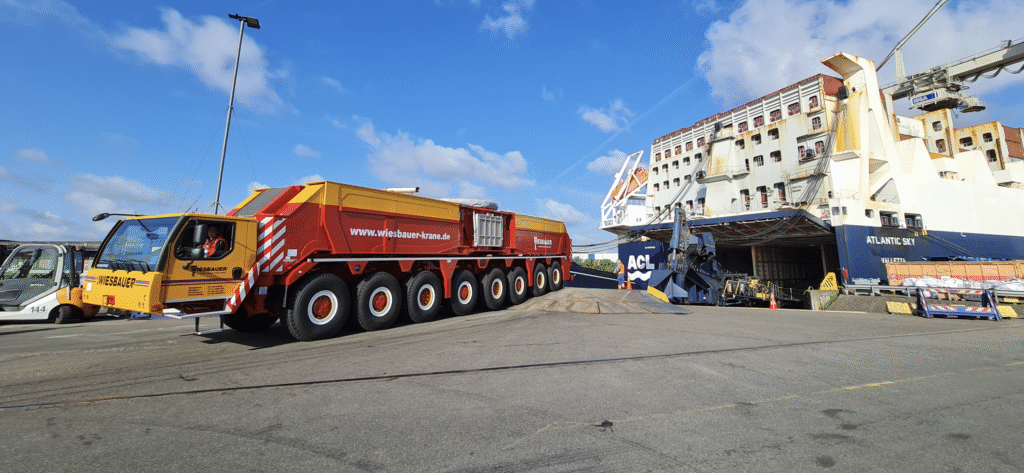
Project cargo shipping relies on multiple modes of transportation, often combined to move freight efficiently across regions and borders.
- Ocean freight: Breakbulk carriers, roll-on/roll-off vessels, and heavy lift ships are commonly used for oversized freight that cannot fit in containers. Break bulk and project cargo shipping remains one of the most practical solutions for large-scale projects.
- Air freight: Reserved for urgent or critical project cargo shipment needs, using aircraft like the Antonov An-225 or Boeing 747 freighters. High value equipment for the aerospace industry may require air to reduce transit time.
- Road transport: Specialized trailers, pilot vehicles, and route surveys allow safe passage on land. Obstacles such as overhead cables, bridges, and power poles are addressed in advance through route surveys for oversized freight.
- Rail transport: Often chosen for inland moves of large components like transformers or turbine parts, especially when road access is limited.
Domestic or international transportation of project cargo often requires multimodal planning. For example, oversized freight might travel by sea to a port, continue by rail to an inland terminal, and finish with a specialized road transport convoy. The coordination across carriers highlights the importance of experienced project cargo forwarders who can manage each phase of the shipping process.
Challenges in Project Cargo Transportation
Every project cargo shipment comes with its own set of logistical and operational hurdles. Knowing what obstacles to expect is essential for reducing risk and protecting the cargo during transit. Things to consider include:
Regulatory considerations
Cross-border shipping involves permits, customs clearance, and compliance with international transportation standards. Delays often occur when paperwork does not align with local regulations.
Infrastructure limitations
Not all ports, bridges, or roads can handle oversized freight or heavy lift equipment. Pre planning with a master plan that includes contingency timelines is necessary to prevent disruptions.
Risk management
High value cargo requires insurance, specialized packaging, and protection during loading, transit, and unloading. Companies need project cargo insurance to safeguard against financial losses.
Coordination among stakeholders
Moving project cargo involves shippers, carriers, project cargo forwarders, local authorities, and engineering teams. Effective coordination reduces the risk of delays or added demurrage and detention fees.
Cost and scheduling
Unexpected delays, route changes, or equipment failures can increase expenses. A shipping process that includes contingency timelines allows for greater control over budgets and deadlines.
Project cargo is complex by nature, and the challenges often highlight the need for industry expertise and customized solutions that only an experienced team can deliver.
6 Best Practices for Successful Project Cargo Transportation

The following strategies are foundational for building a reliable approach to project cargo logistics. Each one focuses on improving control, reducing surprises, and preparing for the complexities that come with this type of shipping.
1. Pre Planning and Route Surveys
Every successful project begins with preparation. The first step in transporting project cargo is assessing the route with a comprehensive survey. This involves mapping every turn, bridge, overpass, and entry point along the way. Oversized freight often requires extra space and infrastructure, so identifying narrow roads, low bridges, weight-limited routes, and structural bottlenecks early in the process is critical.
Overhead cables, power poles, and uneven road surfaces must be measured and documented. These surveys are used to determine what kind of specialized equipment will be needed and whether permits will be required. The goal is to remove any assumptions and replace them with precise, actionable data.
When surveys are completed before the cargo is scheduled, the planning process can begin with real information, not guesswork. This reduces risk and supports a more predictable timeline.
2. Extensive Planning and Coordination
A route plan is one piece of a much larger picture. Project cargo logistics requires a complete master plan that outlines responsibilities, delivery schedules, transportation modes, and location-specific needs. That plan should also include contingency timelines that allow space for weather, port congestion, carrier delays, or infrastructure changes.
A successful plan relies on consistent communication between all parties involved. This includes the project cargo forwarders, engineering teams, marine operators, ground transportation partners, and cargo owners. Everyone should have access to the schedule, shipment details, and contact points in case of disruption.
Coordination is not just about getting along. It is about removing confusion and giving each party the tools they need to stay accountable. When this structure is in place, the cargo moves without guesswork or missed handoffs.
3. Use of Specialized Equipment
Oversized and high value freight cannot be handled with standard transportation tools. Each shipment requires the right equipment for lifting, loading, securing, and transporting complex shapes and sizes. Heavy lift cranes, modular trailers, and platform systems are often required to move project cargo safely.
Proper packaging also plays a central role. Some items need cradles or lifting frames designed around their shape, while others require full enclosures to protect sensitive surfaces. Shock absorption, waterproofing, and center-of-gravity stability are all part of the planning process. Each cargo type must be reviewed individually before the loading process begins.
Using the right tools protects the shipment and reduces handling errors. This improves the outcome for both the cargo owner and the logistics team.
4. Risk Management Strategies
Every shipment involves some level of risk. In project cargo, the consequences are much higher due to the value and complexity of the freight. Risk management starts by reviewing what could go wrong during each phase of the shipment, from origin to destination.
Insurance is a core part of this process. A dedicated policy should be in place to protect the cargo during transit. It should reflect the actual value of the shipment and the risks associated with the specific route, season, and mode of transport.
Other strategies include weather monitoring, alternate routing plans, and clear escalation paths when unexpected situations occur. When the project involves remote locations, the risk profile increases further. The team must be prepared with backup equipment, clear communications, and practical response plans.
By treating risk as something to manage early—rather than something to react to later—the shipping process becomes much more reliable.
5. Unloading and Final Handling
The final stages of a project cargo shipment are just as important as the origin. Unloading requires its own planning, and not every destination is prepared to receive large or heavy freight. The logistics team must verify that unloading zones are clear, the right equipment is available, and labor is scheduled in advance.
If cranes are needed, they should be on-site with the capacity to lift the full weight of the cargo. If the site lacks infrastructure, the logistics partner should coordinate staging areas or portable lifting solutions that match the requirements of the project.
Permits, access roads, weather conditions, and port availability all affect how and when unloading can occur. These factors must be accounted for during the initial planning process. A successful arrival depends on preparation that begins long before the vessel or truck shows up.
Final delivery is not just about location. It is about readiness. When unloading is treated as a critical part of the shipment and not an afterthought, delays and complications are far less likely.
6. Industry Expertise
Project cargo transportation is not a generalist’s game. Each industry has unique cargo types, operational requirements, and regulatory considerations. What works for aerospace components may not apply to mining equipment. A shipment tied to an oil and gas installation may face route challenges that are completely different from a modular building move in construction.
Working with experienced project cargo forwarders who understand the nuances of each sector is essential. These professionals know what to look for during the planning process, how to prepare the right documentation, and how to communicate with the right authorities at every checkpoint.
This kind of expertise supports better decision-making, especially when it comes to selecting equipment, choosing routes, preparing for customs inspections, or managing teams across multiple countries. The more experience a logistics partner brings to the table, the more reliable the shipment becomes.
The Role of Specialized Partners (SEA.O.G)
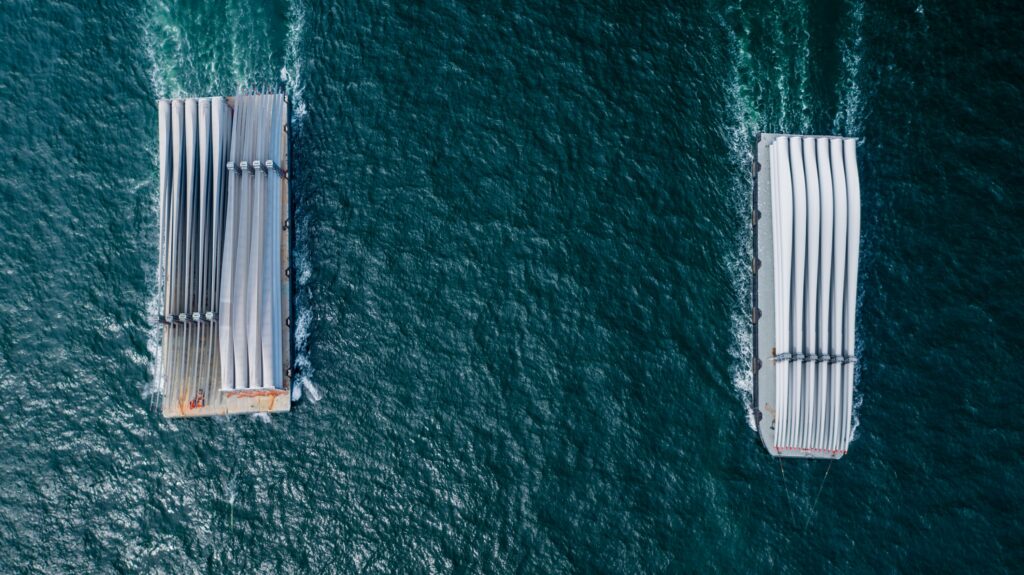
Project cargo involves a level of complexity that cannot always be handled by general freight providers. The freight itself is often oversized, high value, and engineered for a specific use case. Every shipment is shaped by route restrictions, regulatory conditions, and equipment requirements that change from one leg of the journey to the next. Specialized partners understand how to plan for these variables and bring in the right people, tools, and timing to keep the cargo moving without interruption.
The more complicated the shipment, the more important it becomes to have a team in place that has done this work before. Specialized project cargo forwarders know how to anticipate delays, secure permits, communicate with local authorities, and manage cargo handling from origin to final delivery. Without this level of oversight, issues can surface quickly and may become difficult to resolve in motion. Specialized partners reduce the pressure on the shipper’s internal team and offer consistent support across different phases of the supply chain.
For shipments that include a water leg, SEA.O.G provides this type of focused support. Our team is deeply experienced in managing ocean transport for project cargo that cannot be containerized. This includes heavy lift, breakbulk, and high value freight that must be loaded and secured according to exacting marine standards.
SEA.O.G works directly with vessel operators, stevedores, and port authorities to coordinate lift-on and lift-off procedures, berth scheduling, cradle placement, and vessel selection. We verify that the vessel’s specs are appropriate for the cargo’s weight and dimensions, and we support marine engineering teams with sea fastening reviews and stowage planning. Our oversight continues throughout the water leg, including communication with carriers and coordination of all required documentation and permits for departure and arrival.
We also help clients prepare for customs requirements, interface with receiving terminals, and confirm that unloading conditions match what is needed at the destination. SEA.O.G remains involved through to the final discharge, giving clients continuity, visibility, and confidence during the portion of the shipment that has the fewest opportunities for course correction.
When water is part of the route, experience makes a measurable difference. SEA.O.G offers that project logistics experience to clients who need a partner who knows how to move project cargo across oceans with accuracy and control.
Conclusion on Project Cargo Transportation
Project cargo transportation involves more than moving freight from one point to another. It calls for detailed planning, specialized equipment, and a team that understands how to handle oversized, high value, and complex shipments across every phase of the journey. From permits and packaging to coordination and unloading, each part of the process plays a role in protecting the cargo and supporting the success of the project it serves.
Working with experienced partners makes this process easier to manage and easier to trust. When the water leg is involved, the need for reliable oversight becomes even more important. SEA.O.G supports that need with dedicated maritime logistics services designed for breakbulk, heavy lift, and project cargo shipping.
With the right strategy and the right team in place, cargo moves with clarity and confidence no matter how complex the project may be.
Key Takeaways
- Project cargo involves oversized freight, high value equipment, and complex shipments.
- Modes of transport include ocean vessels, air freight, road, and rail.
- Challenges include regulatory considerations, risk management, and coordination.
- Best practices include pre planning, specialized equipment, and contingency timelines.
- SEA.O.G provides project logistics support for oil and gas, mining, construction, aerospace, and renewable energy industries.
Frequently Asked Questions
What is project cargo logistics?
Project cargo logistics involves planning, coordination, and specialized handling of oversized freight and high value shipments. It covers every stage of the shipping process, including packaging, transport, unloading, and risk management.
What is an example of a project cargo?
Examples of project cargo include wind turbine blades, pipeline components, heavy lift cranes, production platforms, and military equipment. These items are too large, heavy, or complex for standard shipping methods.
What is project cargo handling?
Project cargo handling refers to the specialized loading, unloading, and secure management of oversized freight and high value pieces of equipment. It requires heavy lift cranes, specialized equipment, and an experienced team.