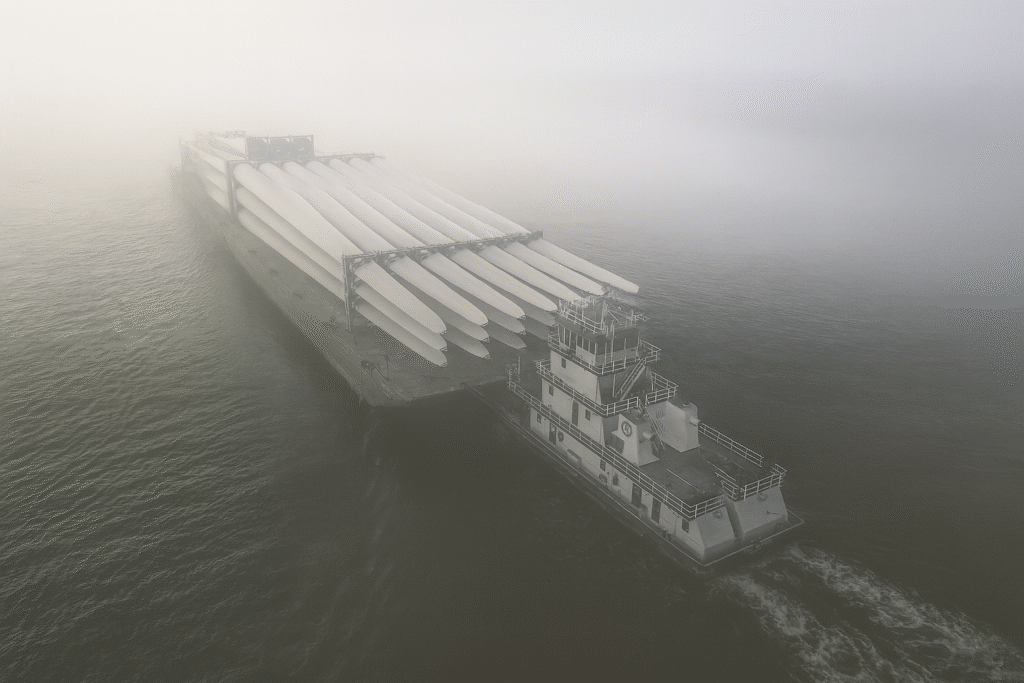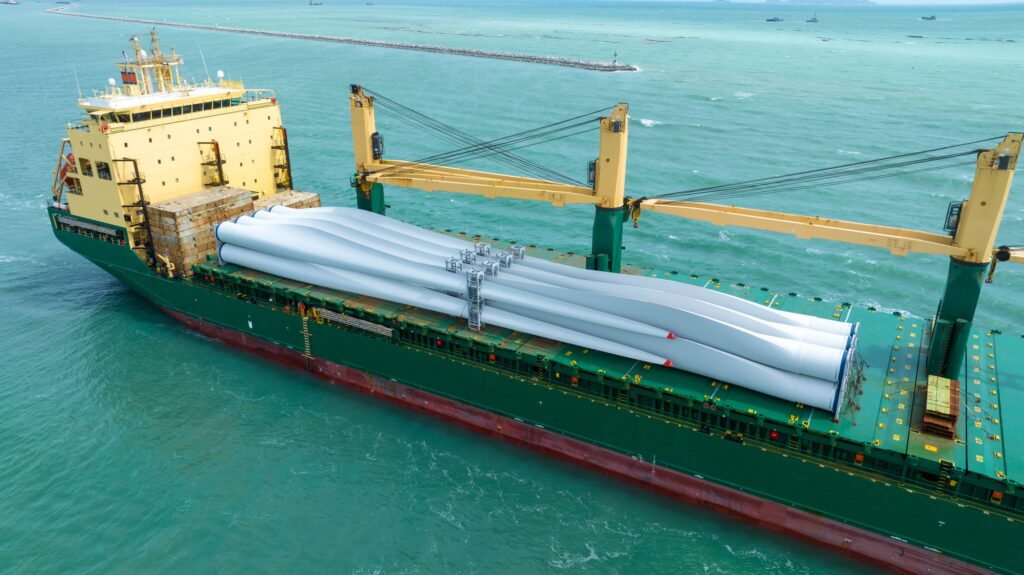
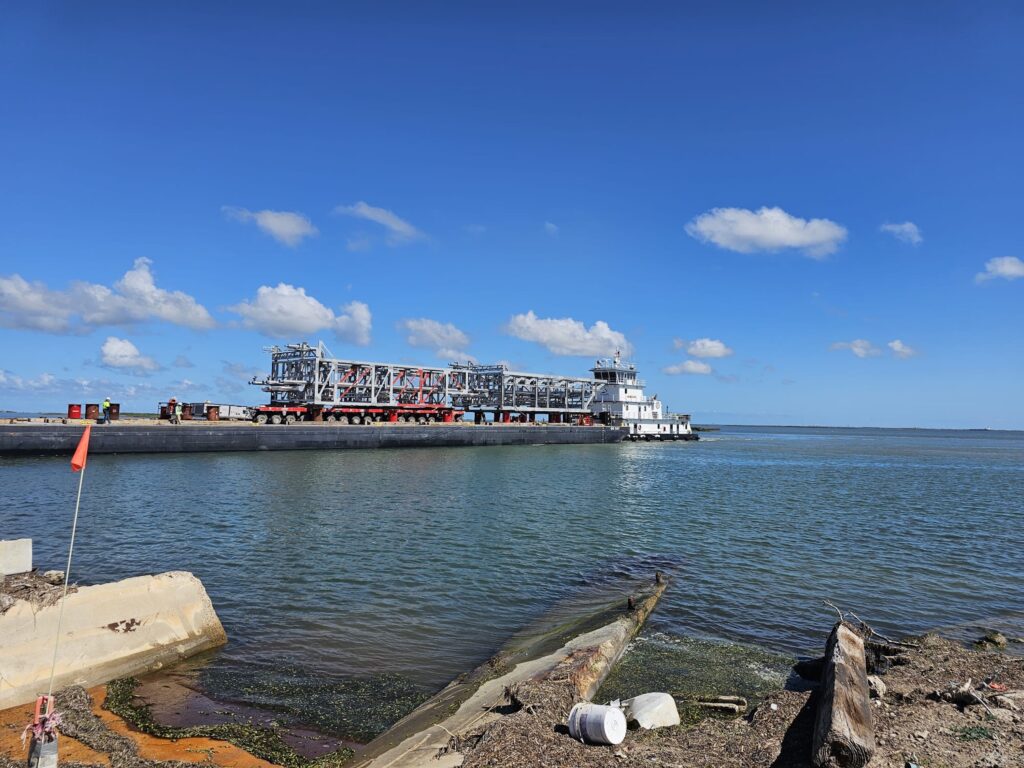
Oversized cargo shipping overseas is rarely as simple as moving goods from one port to another.
Many shipments start hundreds of miles inland, far from deepwater terminals. Roads might not be an option due to bridge limits, axle weight restrictions, or the sheer size of the cargo. The challenge becomes finding a reliable way to move massive loads, such as heavy machinery, turbines, or industrial components, from their origin to an ocean port without delays or damage.
For many shippers, the solution is barge transport.
In this blog, we will walk through the complete process of using barge transport as part of logistics overseas. By the end, you will know how barge transport can make oversized cargo shipping overseas more reliable, efficient, and secure.
Why Overseas Shipments Are Different
Moving oversized cargo overseas involves additional considerations compared to domestic shipping. Here’s are just some of the ways it is especially challenging:
- Multiple jurisdictions: Crossing international borders means adhering to the customs regulations and shipping requirements of each country along the route.
- Complex timing: Ocean carriers operate on fixed schedules with cutoff dates that cannot be missed. Delays in the barge leg can push a shipment to the next available sailing.
- Handling transitions: Cargo often shifts between barge transport, breakbulk shipping, and container shipping, requiring detailed coordination at transfer points.
- Specialized equipment: Larger cargo often needs specialized lift equipment, rigging, or lashing plans designed for its actual size and weight.
- Higher financial stakes: Ocean freight rates, port handling charges, and customs fees can compound quickly if planning is incomplete or inaccurate.
Overcoming these challenges starts with a coordinated approach that includes the right inland transport strategy. Barge transport, when planned correctly, addresses many of these obstacles by providing predictable schedules, secure handling, and direct access to international ports.
When Barge Transport Fits in the Overseas Shipping Process
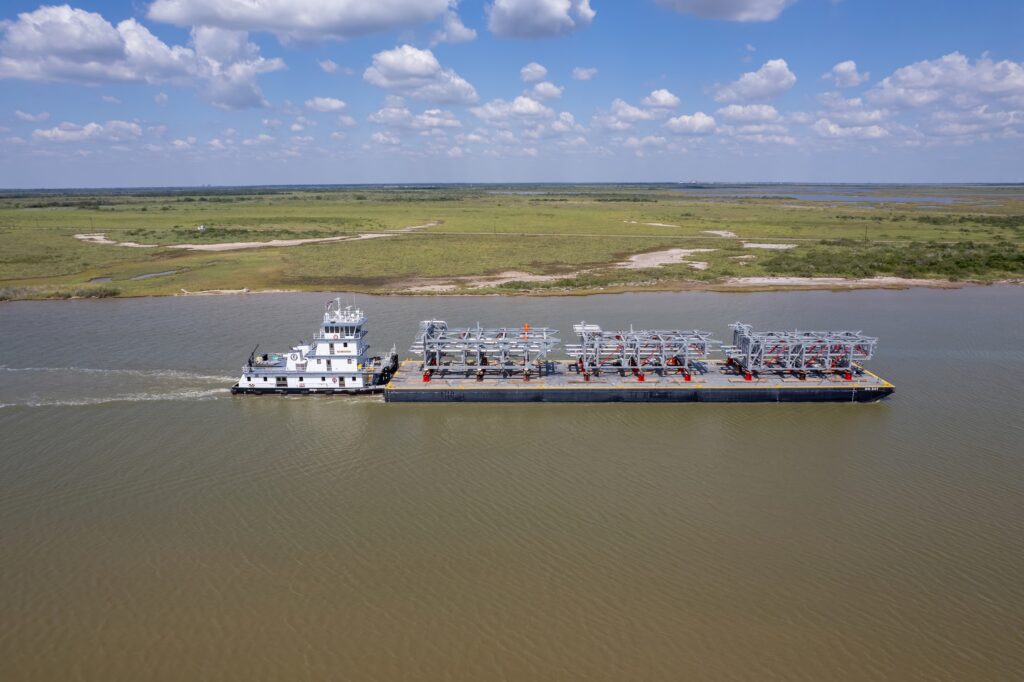
Barge transport is an effective shipping method for oversized cargo when origin points are located inland or when highway transport presents significant challenges. It creates a stable platform for shipping heavy equipment overseas, especially when the cargo is too large for a standard container.
Common scenarios where a barge is the right choice include:
- Direct inland water access: Facilities located along rivers or the Intracoastal Waterway can connect to ocean ports without road detours.
- Highway limitations: Oversize freight that exceeds bridge load limits, axle weight limits, or width restrictions can bypass complex road permitting.
- On-site loading: Industrial sites with dock access can load machinery directly onto a barge, reducing double-handling.
- High-value or sensitive cargo: Items such as turbines, transformers, or project-critical construction equipment benefit from the controlled environment of a barge before ocean transit.
Barge shipping supports predictable schedules and can be a cost effective method for the inland leg of an overseas move when it is matched to the right project.
Equipment and Capacity Requirements
Each shipment requires a tailored combination of barge type, tug capability, and port handling gear. The choice depends on the cargo’s dimensions, weight, and handling needs. Here’s a quick breakdown of different options out there:
Barges
- Deck barges – Handle heavy point loads with adaptable lashing layouts.
- Oceangoing barges – Built for longer, exposed water routes.
- Modular or spud barges – Adapted for restricted waterways or jobsite work.
Tugs
- Coastal tugs – Suitable for sheltered or nearshore tows.
- Ocean tugs – Provide the bollard pull needed for longer distances and open water.
Port Handling Gear
- Cranes rated to the lift plan.
- SPMTs for moving cargo from staging areas to barge deck.
- Specialized equipment such as spreader bars and load equalizers.
- Lift equipment suited to the cargo’s center of gravity and structural design.
Some projects fit into a flat rack or flat rack container for the ocean leg. Others exceed large container limits and require breakbulk shipping for the overseas segment. The right combination depends on the cargo’s actual size and transfer requirements at the port.
Planning and Engineering for Overseas Moves

Planning for oversized cargo shipping is both a logistical and engineering process. Each step must account for the barge leg, the ocean vessel, and the handoff between them. Surveyors, engineers, port operators, and logistics teams work together at this stage to confirm that every aspect meets safety standards and supports a seamless shipping process.
1. Route and Feasibility Surveys
Route surveys begin with reviewing the tow path for depth, bridge clearance, and tidal timing. Missing an ocean carrier’s cutoff can set a project back days or weeks.
2. Loading Plans
Options include roll on, roll off, or lift-on/lift-off (LOLO), depending on port infrastructure. For shipping machinery, ground bearing limits and tractor capacity are verified. Rigging plans address pick points and spreader bar selection.
3. Securing and Stability
Engineers prepare grillage drawings, sea fastening designs, and lashing arrangements. Vessel stability is checked for GM and trim to keep heavy cargo secure during all legs of transport.
4. Documentation
Gathering all the paperwork early, including permits, customs forms, and insurance certificates, avoids clearance delays and supports customs clearance at the port.
With engineering complete, the project moves into compliance, permitting, and insurance preparations.
Compliance, Permits, and Insurance
Oversized cargo shipping overseas requires meeting the combined rules of local, national, and international bodies. Early coordination prevents clearance issues and supports a predictable schedule to the final destination.
Core compliance elements include:
- Permits and authorizations: Tow permits, port authority clearances, pilotage, and escort approvals.
- Customs regulations: Accurate cargo descriptions and measurements help clear customs and keep records consistent between ports.
- Customs fees: Duties, inspection costs, and port taxes—especially in other countries—can be significant.
- Insurance: Cargo, towage, and P&I coverage should be confirmed before the first move.
- International trade coordination: Working with port agents helps maintain compliance throughout the shipment.
When compliance is complete, attention turns to financial and timing factors that influence the shipment’s success.
Cost and Timeline Drivers
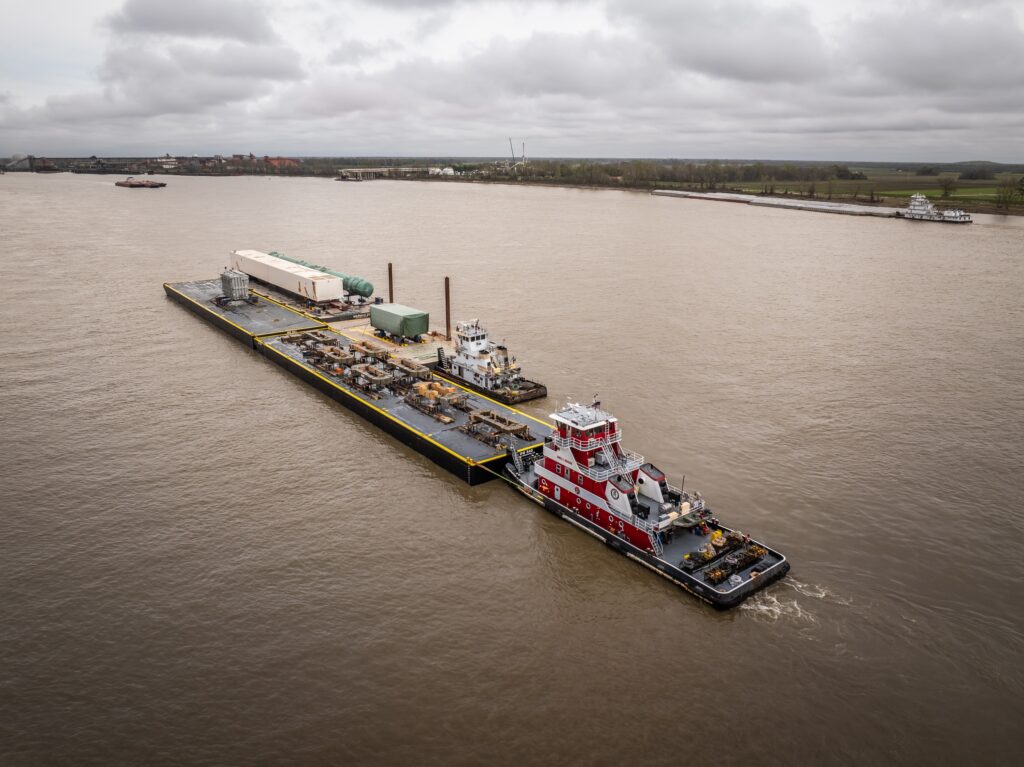
Several elements directly affect the cost and duration of barge transport for overseas moves. Addressing these at the start avoids later adjustments.
- Tow distance and speed – Longer routes require more fuel, crew time, and tug hire.
- Handling and gear – Cranes, rigging, and SPMT rentals for shipping heavy machinery can be significant expenses.
- Port selection – Access to container service or specialized breakbulk handling can shorten transfer times.
- Customs fees – Some other countries have higher duties and inspection charges than domestic ports.
- Seasonal factors – River stages, tides, and weather windows influence tow timing.
- Third-party reviews – Marine Warranty Surveyor sign-offs help meet safety standards but add time and cost.
A well-structured budget that includes these elements supports choosing a cost effective route and handling plan.
Risk Controls and Contingencies
Planning for the unexpected is part of protecting both cargo and schedule. Standard measures include:
- Pre-designating weather hold points.
- Carrying spare rigging and welding materials.
- Reconfirming bridge and clearance heights.
- Keeping a riding crew for lashing inspections.
- Holding more than one ocean carrier booking, such as flat rack service or breakbulk shipping, for flexibility.
- Sharing one detailed plan with all parties, from tug operators to port agents.
These steps keep shipments on track and positioned for a smooth handoff to the next transport stage.
SEA.O.G’s Role in Overseas Barge Shipping
In any oversized cargo project, the barge leg is often the stage that determines whether the shipment stays on schedule and within budget. SEA.O.G specializes in managing this segment with precision, connecting inland origins, coastal facilities, and project sites through efficient waterborne transport.
What sets SEA.O.G apart is the way each stage is managed as part of one complete plan rather than a series of separate moves. From the first site survey to the final offload, the team ensures every detail supports the overall timeline and handling requirements.
Route planning for seamless connections
SEA.O.G develops barge routes that align with project deadlines, factoring in tow distances, lock schedules, seasonal water conditions, and port availability.
Tailored barge and tug selection
Each project receives the right barge type and tug capability for its size, weight, and route conditions, preventing mismatches that could slow progress or increase risk.
Hands-on loading and offloading coordination
The team works directly with crane operators, rigging crews, and facility staff so equipment, personnel, and staging areas are ready when needed.
Proactive logistics integration
Heavy haul trucking (if required), barge transport, and subsequent transport modes are managed under one coordinated plan, reducing communication gaps and avoiding costly delays.
Clients value SEA.O.G’s ability to foresee challenges before they cause interruptions, maintain clear communication across all parties, and treat the barge segment as a critical link in the overall logistics chain. This approach keeps projects on schedule, protects valuable cargo, and streamlines the path from origin to destination.
Conclusion on Oversized Cargo Shipping Overseas
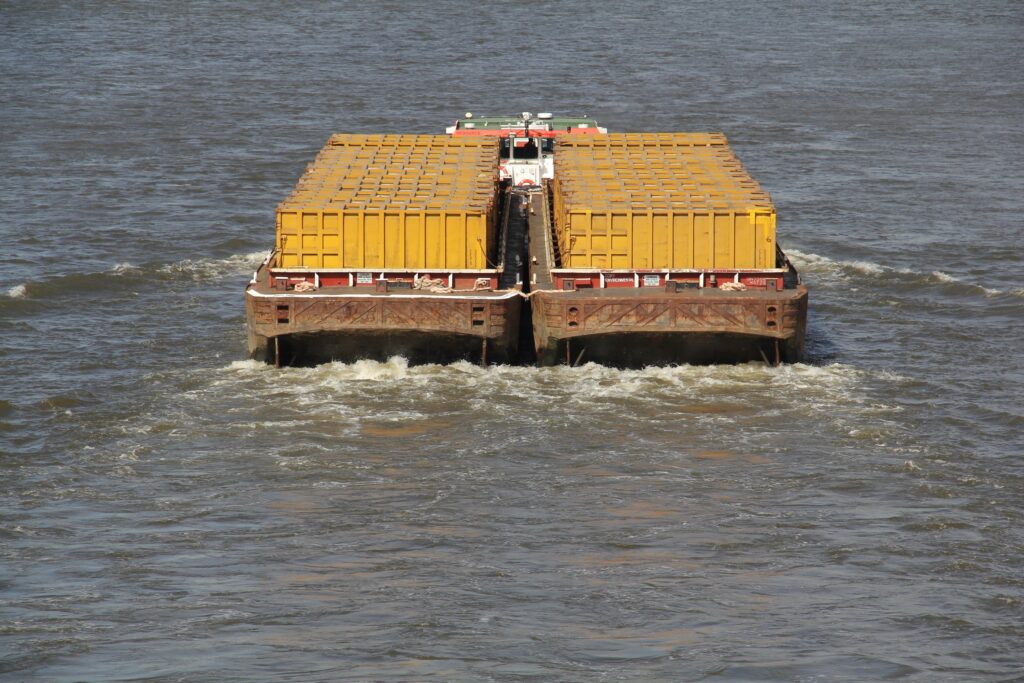
Barge transport is more than just a means of moving oversized cargo from point A to point B. It is often the pivotal stage that determines whether a project runs on schedule, stays within budget, and arrives without damage. From navigating inland waterways to aligning with port operations, every decision made during the barge segment sets the tone for the rest of the move.
When handled with the right planning, equipment, and coordination, barges provide the stability, capacity, and direct access that oversized cargo demands. They reduce the need for complex road permitting, lower handling risks, and create a predictable link between origins, ports, and project sites.
Partnering with a team that understands both the operational and logistical demands of barge transport turns this stage from a potential bottleneck into a strategic advantage. With the right expertise, oversized cargo can move efficiently, safely, and in complete alignment with the broader project plan.
Whether the destination is across the harbor, along the coast, or part of a larger supply chain, the principles remain the same: secure the barge leg, and you secure the success of the entire shipment.
Key Takeaways
- Barge transport is a strong fit for projects starting near inland waterways, avoiding highway restrictions, or handling heavy machinery too large for a standard container.
- Proper planning and engineering — including route surveys, loading plans, and securing methods — keep heavy equipment and specialized cargo safe through every transfer.
- Compliance and cost factors should be addressed early, from customs regulations and customs fees to port selection and seasonal influences.
- Risk controls matter — designated safe havens, spare gear, and multiple ocean carrier options help protect the shipment from delays or damage.
- SEA.O.G’s coordinated approach connects heavy haul logistics, barge transport, and ocean shipping into one continuous plan, so machinery arrives at its final destination on time and ready for its next stage.
Frequently Asked Questions
How to ship oversized cargo?
Shipping oversized cargo requires proper planning from the first measurement to the final port transfer. The process starts with accurate dimensions, verified weight, and a handling plan that aligns with barge capabilities. Many projects combine a barge leg with either flat rack or breakbulk service for the ocean segment, depending on the cargo profile. When the route is set, permits, insurance, and customs clearance are arranged to keep the shipment moving without interruption. For pieces that require additional handling or protection, SEA.O.G can source specialized equipment to match the lift and securement needs.
What does shipped by sea mean?
When cargo is shipped by sea, it moves aboard a shipping vessel that travels between ports along international routes. This could involve container shipping for freight that fits into standard or specialized shipping containers, or breakbulk shipping for items loaded individually. The choice depends on the type of cargo, the ports involved, and the available handling gear. For some clients, a barge leg is added before the ocean transit to connect inland origins directly to a deepwater terminal. This method can be tailored to fit unique shipping needs without adding unnecessary transfers.
What is considered oversized cargo?
Oversized cargo refers to freight that exceeds the standard container dimensions used in most international trade. This can include heavy machinery, construction equipment, turbines, or other large-scale items that require more surface area and higher weight capacity than a standard unit. Many of these pieces must transport machinery via barge before moving to a port for ocean service. When the cargo’s actual size prevents it from fitting in a container, it is handled using roll on, roll off, or lift-on/lift-off methods, with each step documented so all relevant information is ready for customs processing.