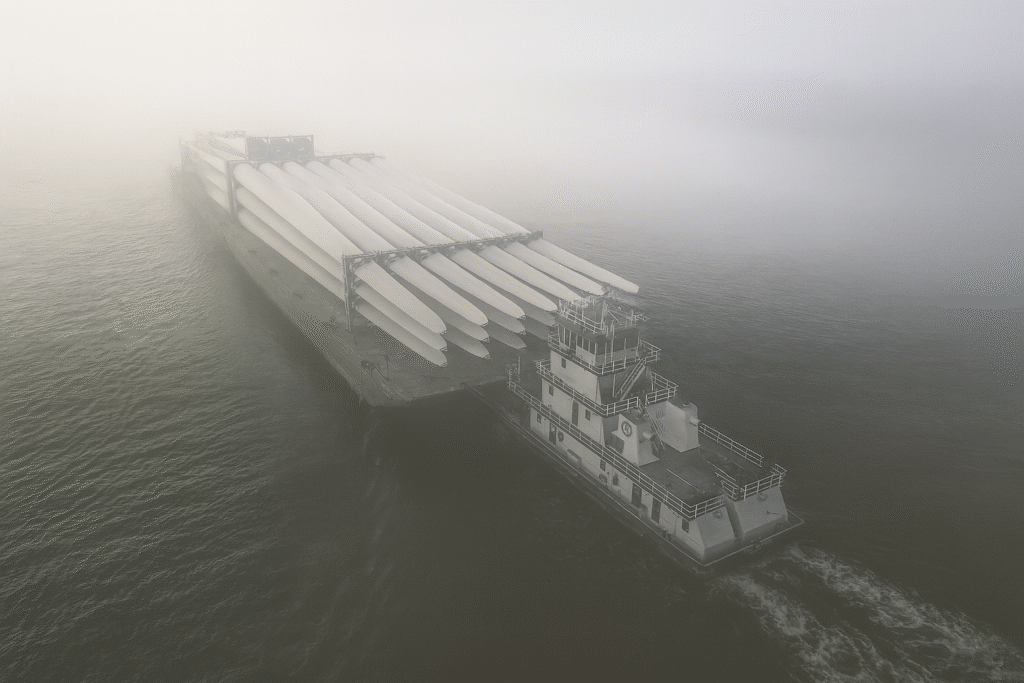
As maritime professionals and offshore operators, you face a dynamic range of challenges at sea. One of the most significant, particularly during certain times of the year, is fog. This weather phenomenon can profoundly impact safety, efficiency, and profitability for operations in the Gulf of America and the bustling Northeast ports. This blog post explores sea fog, its typical seasons in these key regions, and critical considerations for navigating its challenges.
Understanding the Nature of Fog
Fog is a ground-level cloud that significantly reduces visibility. It forms when warm, moist air cools to its dew point, causing water vapor to condense into tiny droplets suspended in the air. Factors like temperature differences between land and sea, light winds, and moisture presence contribute to fog formation.
Sea Fog Seasonality: A Tale of Two Coasts
The timing and intensity of fog vary between the Gulf of America and the Northeast, making regional understanding essential for effective planning and risk mitigation.
The Gulf of America
In the Gulf region, fog is most prevalent from late fall to early spring (November to April). Cooler land temperatures during these months can lead to advection fog as warm, moist air from the Gulf moves over colder coastal waters or land. While dense fog events are less frequent and persistent than in the Northeast, visibility can drop rapidly, requiring vigilance from mariners and offshore operators.
The Northeast Ports
Northeast ports experience their primary fog season in late spring and early summer (May to August). The cold waters of the North Atlantic, influenced by currents like the Labrador Current, contribute significantly to fog formation. As warmer, humid air moves over these colder waters, it cools to its dew point, creating widespread and often dense advection fog. This “sea fog” can persist for extended periods, reducing visibility in busy shipping lanes and port areas.
Impacts on the Maritime Industry and Offshore Operations
Fog poses several challenges to maritime activities:
- Safety Risks: Low visibility heightens the potential for accidents, including groundings, collisions, and personnel injuries.
- Reduced Visibility: The most immediate impact, fog makes navigation difficult, increasing the risk of collisions with other vessels or fixed offshore structures.
- Operational Delays: Offshore operations, such as crew transfers, supply runs, and maintenance, can face delays or halts due to poor visibility, raising costs.
- Port Congestion: In major Northeast ports, fog can delay vessels entering or leaving harbors, leading to congestion and supply chain disruptions.
Navigating the Fog: Essential Considerations
To mitigate fog’s impacts, operators in the Gulf and Northeast ports should prioritize safety and adopt effective strategies:
- Stay Informed: Monitor weather forecasts and visibility reports from reliable sources. Use onboard radar and Automatic Identification System (AIS) to track vessels.
- Reduce Speed: Operate at a safe speed in low-visibility conditions to allow time for collision avoidance.
- Sound Signals: Follow International Regulations for Preventing Collisions at Sea (COLREGS) for appropriate fog signals.
- Maintain a Sharp Lookout: Assign extra personnel for visual and electronic monitoring.
- Utilize Technology: Leverage radar, AIS, and electronic chart display and information systems (ECDIS), ensuring all equipment is functional.
- Planning and Contingency: Account for potential fog delays in operational schedules and have contingency plans for sudden visibility reductions.
- Communication: Maintain clear communication between vessels and shore-based operations regarding visibility and adjustments.
Your Safety and Success are Our Priority
At SEA.O.G, we understand the unique challenges fog creates for offshore operators. From planning support to operational expertise, our team is here to help you navigate safely and keep schedules on track.
Stay safe out there!