
In industrial logistics, there are moves, and then there are moves. When you’re working with large, heavy, or high-value components like pressure vessels, turbines, or subsea equipment, the planning has to match the complexity. The timelines are tighter, and the margin for error is smaller.
This blog is built for project managers, engineers, and construction leads who handle heavy haul moves as part of larger industrial operations. Whether you’re planning a refinery turnaround, rig mobilization, or wind energy project, this guide provides a foundational understanding and specialized knowledge of heavy haul logistics and what it takes to execute cleanly.
What Counts as Heavy Haul?
Heavy haul refers to the movement of cargo that exceeds the standard legal limits for weight, length, width, or height. These loads require specialized equipment, routing, permits, and coordination beyond what’s needed for standard freight.
The actual thresholds vary by state or country, but generally, a load is considered “oversize” if it exceeds:
- 8 feet 6 inches in width
- 13 feet 6 inches in height
- 80,000 pounds gross vehicle weight
- 53 feet in length (depending on trailer configuration)
For many industrial projects, this includes components like:
- Pressure vessels and reactors
- Offshore platform modules
- Subsea skids
- Gas turbines and generators
- Bridge segments
- Windmill blades and tower sections
- Construction equipment or cranes
- Large tanks or silos
These moves require a full logistics plan that covers every step. If your project includes multiple pieces of heavy equipment or critical mobilization windows, it helps to bring in heavy haul specialists before fabrication or procurement are finalized.
4 Core Components of Heavy Haul Logistics

Heavy haul operations are built around a few core pillars. If any one of them is missing or poorly executed, the entire move is at risk of delays, fees, or safety violations. Here they are:
1. Permits
Every heavy haul move requires permits. These are issued by DOT offices and cover weight limits, axle spacings, travel times, and designated routes. Some states also require front and rear escorts or even police involvement for superloads. It’s important to file with accurate specs to avoid rejections or hold-ups.
2. Route Surveys
Once the route is identified, a qualified surveyor inspects it for potential obstacles: bridge weight ratings, sharp turns, rail crossings, power lines, and even tree branches. These surveys often dictate what equipment is used and whether modifications are needed (like removing street signs or working with utility companies).
3. Specialized Equipment
Depending on the load size, you may need custom trailers with hydraulic suspension or modular configurations. In some cases, very complex hydraulic platform transport configurations may be needed. These configurations are purpose built, heavily engineered, and only used in cases where specific demands require capacity, ground bearing transport, bridge capacity requirements, and maneuverability to commence and complete a transport are required.
4. Communication and Coordination
A heavy haul move usually includes multiple types of specialized companies: trucking companies, barge operators, crane crews, permit expediters, third party utility remediation companies, and local authorities. Managing the timing of each party and keeping everyone aligned is one of the most underestimated tasks in a heavy haul job.
Each piece of the logistics plan affects the next. Overlooking one can impact the entire schedule.
Modes of Transport in Heavy Haul
Heavy haul cargo rarely stays on a single mode of transport from start to finish. Depending on the project, loads might need to travel by road, barge, and ocean vessel before reaching their destination. Each mode brings its own set of requirements, equipment, and constraints. Planning around those details early helps avoid slowdowns once cargo is in motion. The different modes can include:
Road Transport
Road is often the first or last leg of a move. It’s also where most of the logistical restrictions show up. Oversized cargo has to comply with axle weight limits, bridge ratings, turning radius constraints or challenges, and local travel curfews. Equipment must be matched carefully to the load and route. This might include multi-axle trailers, hydraulic platforms, or trailers with steerable rear axles.
When maneuvering room is limited—like at job sites or within fabrication yards—self-propelled modular transport (SPMT) can be used to position cargo with high precision.
Barge and Inland Marine Transport
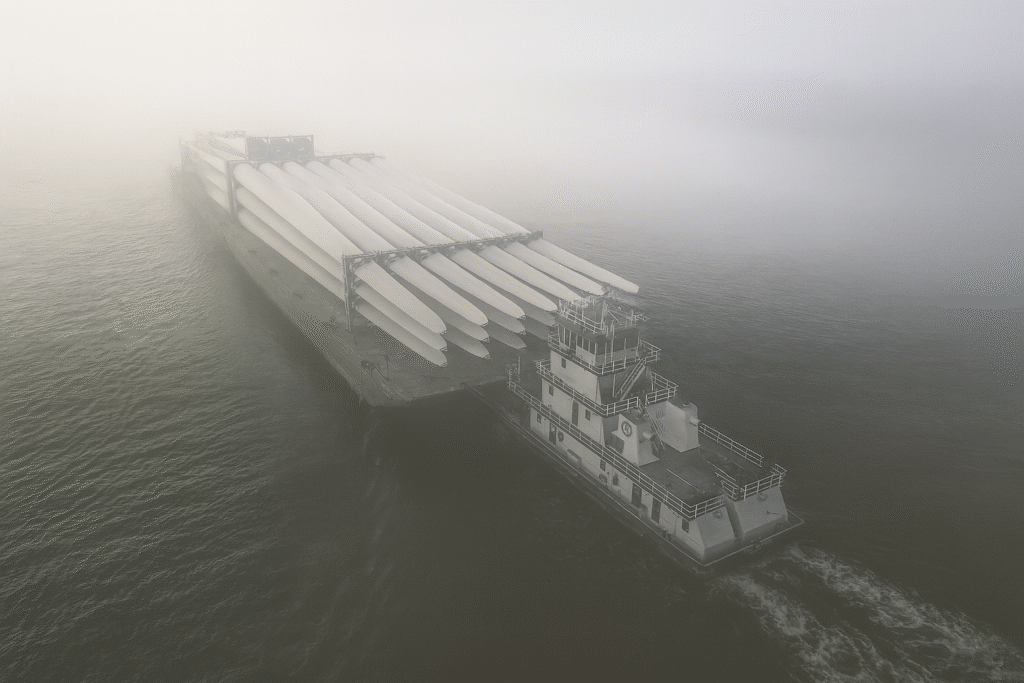
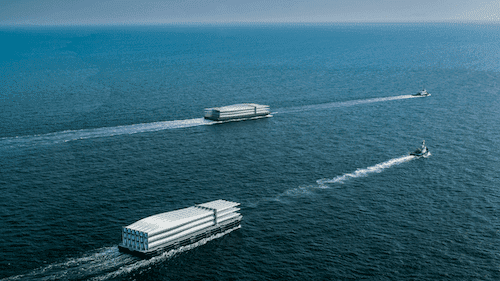
For locations near waterways, barges can move large loads more efficiently than road transport. Route planning includes water depth, bridge clearances, and tide schedules. Ballast control is used to maintain barge stability during loading and transit. Barge transport works especially well when the origin or destination lacks direct highway access or when road permits are cost-prohibitive.
Port Handling and Ocean Freight
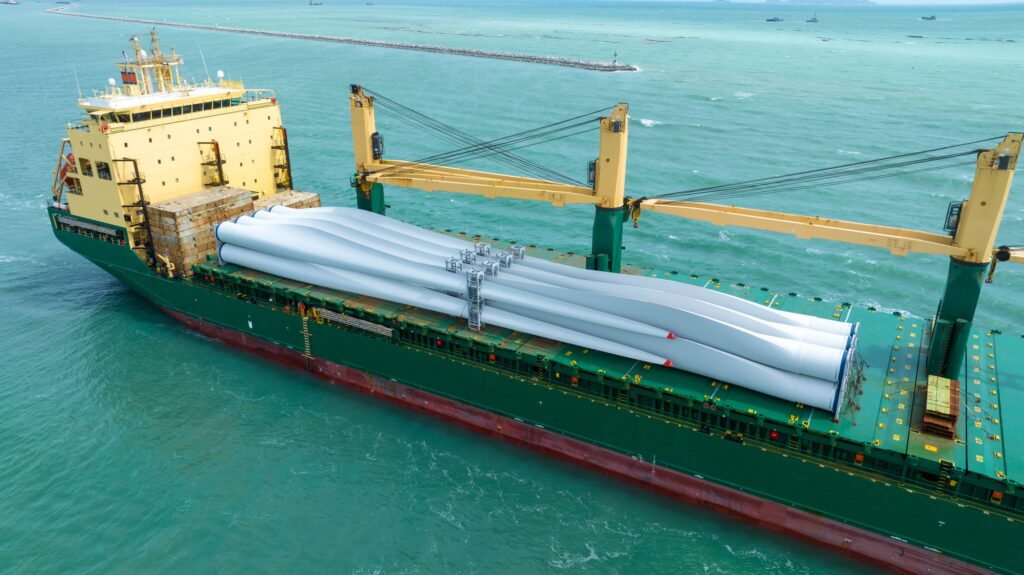
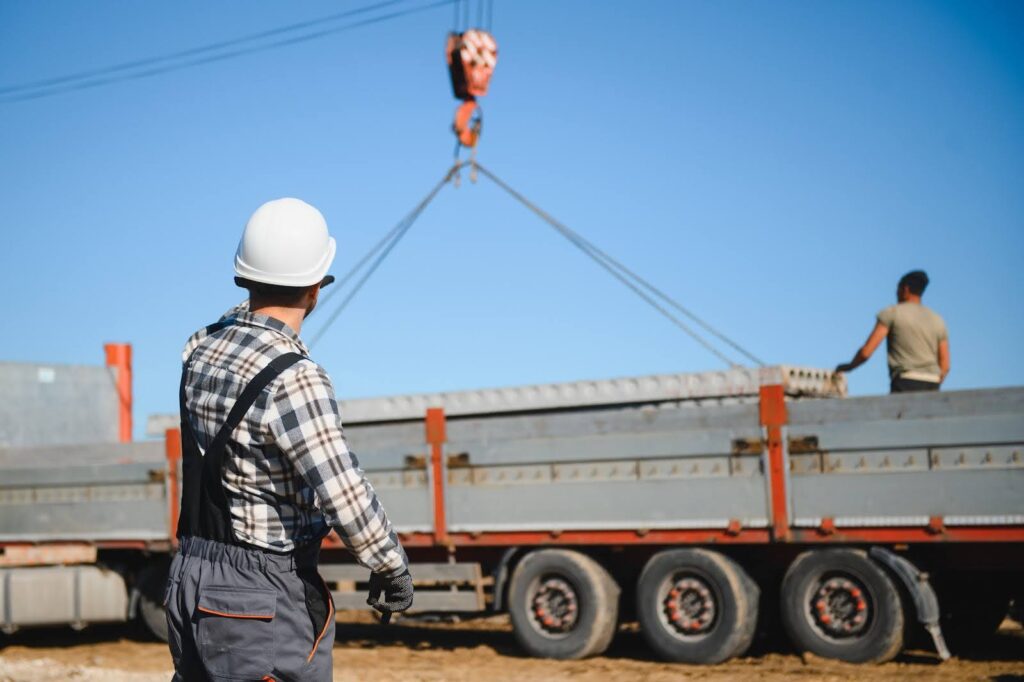
Heavy haul cargo often moves through ports when international or offshore delivery is required. That process includes coordination with terminal operators, port agents, and crane teams. Crane transport is often needed to lift or place the cargo and sometimes using engineered rigging systems or lift plans reviewed by a third-party engineer.
Depending on the cargo type and port capabilities, the load may move on or off the vessel using cranes or a roll-on/roll-off setup. Every port has different procedures and timing windows, so pre-clearance and berth planning are essential.
Multimodal Coordination
It’s common for a heavy haul project to include a mix of transport types. The cargo might start on a trailer at a fabrication yard, transfer to a barge at an inland dock, and finally arrive at a laydown yard by road. At each exchange point, paperwork, timing, and physical access need to be confirmed in advance.
Each mode of transport brings specific limits and planning requirements. When those pieces are managed in context (not as isolated tasks) you gain better control over costs, risk management, and schedule. Whether your cargo travels five miles or five thousand, a complete logistics picture helps you avoid surprises along the way.
The Importance of Timeline Planning and Lead Times
One of the most consistent issues in heavy haul logistics is underestimating how long planning actually takes. Many teams wait until fabrication is nearly complete before involving a logistics partner. By that point, the schedule is locked, permits are rushed, and availability for specialized equipment is limited. That creates unnecessary pressure on the back end of the project.
Below is a breakdown of typical lead times for major logistics components:
- Permit approvals: a few weeks, up to a year in severe cases: Every state or jurisdiction has different requirements. Some issue permits in a few days, while others involve multi-agency reviews. Superloads or multi-state routes take longer. Routing and permits get incredibly complex when hard obstructions need to be traversed, or bridge capacity concerns require remediation in the form of temporary structure sto support or traverse. These things are also required to be designed, implemented, constructed, inspected, and used as part of a permitted travel plan.
- Route surveys: 1-8 weeks: A certified route surveyor needs to physically drive and document the proposed route. That includes checking bridge capacities, turn clearances, traffic signals, overhead lines, and road conditions. In rural or congested urban areas, this can take longer.
- Equipment booking: 8-12 weeks: Specialized trailers, cranes, and SPMTs aren’t always readily available. They may be committed to other jobs, require transport from out of state, or need reconfiguration. The more unique the load, the longer the lead time.
- Marine coordination: 3–12 weeks: This includes securing barge availability, planning load-outs, and coordinating with port facilities. Schedules are often affected by tides, berth availability, or weather restrictions.
- Utility coordination: 2–8 weeks: Moving power lines, traffic signals, or light poles involves working with utility companies and municipalities. Some have streamlined processes. Others require detailed requests, traffic plans, and permit reviews that can take weeks.
These timelines can overlap, but only if they’re managed proactively. When heavy haul planning is built into early-stage project development, during FEED, procurement, or job setup, it’s much easier to maintain schedule control. Equipment can be secured in advance, permits submitted on time, and site teams kept informed about key delivery windows.
Heavy haul isn’t something you bolt on at the end. It’s part of the project’s critical path. The sooner you bring in logistics support, the fewer surprises you’ll run into later.
Common Pitfalls to Avoid

We’ve been in this business for a while and have seen how quickly things can fall apart when the wrong detail gets overlooked. Even experienced teams run into trouble when timelines are tight or responsibilities are unclear. Heavy haul projects demand structure, discipline, and follow-through. The problems listed below come up more often than they should. The good news is that most of them can be avoided with careful planning.
Missed Permits or Wrong Weight Classifications
Permits are based on exact numbers. That includes axle spacing, gross weight, and the specific trailer configuration being used. When someone rushes this step or pulls numbers from memory instead of verified specs, it leads to delays and fines. We’ve seen permits rejected and refiled because of a five-ton discrepancy or a miscalculated axle group.
Every permit application should be double-checked against the actual load and trailer. A logistics partner can help confirm weights and spacing before anything is submitted.
Undocumented Site Restrictions
It’s easy to assume a site is accessible if the drawings look clear, but we’ve seen deliveries blocked by soft soil, unfinished roads, stacked equipment, and even curbs that weren’t poured when the route was first reviewed. In some cases, trucks show up and physically can’t make the final turn.
Walk the last mile. Every route into the site should be verified in person, and that includes grade, surface conditions, turning space, and any temporary obstructions that could block the move.
Poor Communication Across Subcontractors
Heavy haul projects involve a long chain of vendors and subcontractors. When one team updates their timeline and forgets to notify others, things start slipping. We’ve seen delays because a crane crew was ready to offload, but the barge hadn’t left the dock. In other cases, escorts were scheduled by two different teams and showed up at the same time.
Someone has to take the lead on communication. It should be clear who owns the master schedule and who is responsible for updates, confirmations, and last-minute changes.
No Backup Plans
Projects rarely go exactly as planned. Weather shifts, roadwork appears without notice, or equipment breaks down at the wrong time. Without backup options, small problems turn into full stoppages.
Good plans include extra time for weather delays, secondary routes that can be activated quickly, and a standby option for any critical equipment. These steps aren’t overkill. They’re what keep the project moving when things get unpredictable.
Most of the heavy haul problems we’ve seen weren’t caused by carelessness. They came from small gaps in planning that didn’t get caught early enough. With the right team and a clear plan, you can stay ahead of those risks and keep the project on track.
When to Bring in a Logistics Service Provider
One of the most effective things you can do to protect your project is bring in a logistics partner early. Not just a freight provider, but someone who sees the whole picture and can coordinate across teams.
It makes sense to bring in a partner like SEA.O.G. when:
- You are in the pre-FEED or FEED phases and logistics feasibility affects equipment selection, ability to permit, and execution development
- Load specs for special handling are designed or confirmed
- A route crosses multiple jurisdictions, states, countries, or project phases
- Multi modal logistics are required (Shipping, Barge, Truck, etc. )
- Your team is already stretched and logistics could delay planning or procurement
A good partner adds operational clarity and gives your internal teams space to focus on construction, safety standards, and efficient delivery. When heavy haulage doesn’t arrive on time and intact, it can jeopardize the project timeline. That’s why planning and execution matter from day one.
Conclusion: Make Heavy Haul a Strategic Advantage
Oversized cargo moves are complex. They touch multiple teams, tight timelines, and expensive equipment. We’ve seen what happens when this part of the job doesn’t get the attention it needs. Delays pile up. Crews wait around. Costs increase with every missed window.
We’ve also seen what it looks like when logistics are handled with care. Permits are in order. Equipment is staged on time. The site is ready, and everyone knows their role. That level of control doesn’t come from luck. It comes from starting early and building a plan that can hold up under pressure.
If your team is planning a heavy haul move, we can help you get ahead of the risks. We’ll work with you to build a plan that fits your job, your schedule, and your constraints. The goal is to keep things moving and eliminate the unknowns before they turn into problems.
Reach out early. We’ll help you set it up right.
Key Takeaways
- Heavy haul moves require early planning. Waiting until the last minute increases the risk of delays, cost overruns, and missed deadlines.
- Permits, equipment, and route surveys all take time. Most elements require weeks of lead time and coordination across vendors and agencies.
- Multimodal transport adds complexity. Road, barge, and port legs must be aligned with one another to avoid timing issues and handoff problems.
- Mistakes come from small oversights. The earlier you bring in a logistics partner, the more control you keep throughout the operation.
Frequently Asked Questions
How early should we start planning a heavy transport move?
For any heavy haul shipment, planning should begin as soon as you know the dimensions and weight of the cargo. Early coordination allows time to secure permits, conduct route surveys, and reserve specialized transport equipment. Teams that wait until fabrication is complete often face scheduling issues or equipment shortages.
What permits are needed for heavy haul moves?
Heavy haul loads require permits based on weight, width, height, and routing. This includes state and local approvals, pilot car requirements, and sometimes police escorts. Each permit must reflect the exact configuration of your transport equipment. Starting early ensures that all paperwork is in order before the move begins.
Can one provider manage the entire logistics process?
Yes. A heavy haul services partner can oversee the full operation, including road, barge, and port coordination. This helps prevent handoff delays and keeps the timeline on track. From oversized loads to oversized equipment, having one team manage your heavy haul trucking reduces risk and keeps communication clear across every step of the move.