Moving heavy equipment involves many moving parts. Between the permits, pilot cars, trailer configurations, and different transport methods, it can be hard to pinpoint what the final invoice will say.
For estimators and project managers tasked with budgeting, knowing the real cost of a heavy haul shipment is about more than guessing per mile. It takes thorough research, a firm grasp of regulations, and insight into the full range of transport options, including water-based shipping.
This guide helps you understand the core factors affecting heavy haul freight rates and shows how water transport for oversize loads can often provide a more cost effective and dependable alternative to overland routes.
10 Key Factors That Influence the Cost of Heavy Equipment Transport
Every heavy haul shipment is calculated based on a range of interlocking variables. To give your team a precise rate, it helps to understand what these costs are responding to.
Here are the main contributors to heavy haul shipping costs:
1. Size and Weight
Load dimensions and weight determine the type of trailer needed, permit requirements, escort vehicles, and route limitations. Oversized or over dimensional freight increases the level of coordination needed and triggers more complex permitting structures. Larger equipment typically requires longer loading times, more personnel, and specialized rigging equipment.
2. Distance Traveled
Longer routes add cost per mile, fuel prices, and may require additional pilot cars or driver shifts. If a shipment crosses multiple states, that adds layers of permits, escort scheduling, and tolls. Distance directly affects driver labor rates, equipment wear, and overall time on the road.
3. Permits and Regulations
Transporting heavy haul freight involves state-specific permits, including weight class exceptions, time-of-day travel windows, and holiday restrictions. Some jurisdictions require police escorts for superloads or bridges that require structural clearance assessments.
4. Route Surveys and Planning
Heavy haul load route planning often includes physical surveys, bridge studies, and analysis of road geometry. Unexpected obstacles like low-clearance bridges or tight urban corners can trigger rerouting and a higher cost.
5. Trailer Types
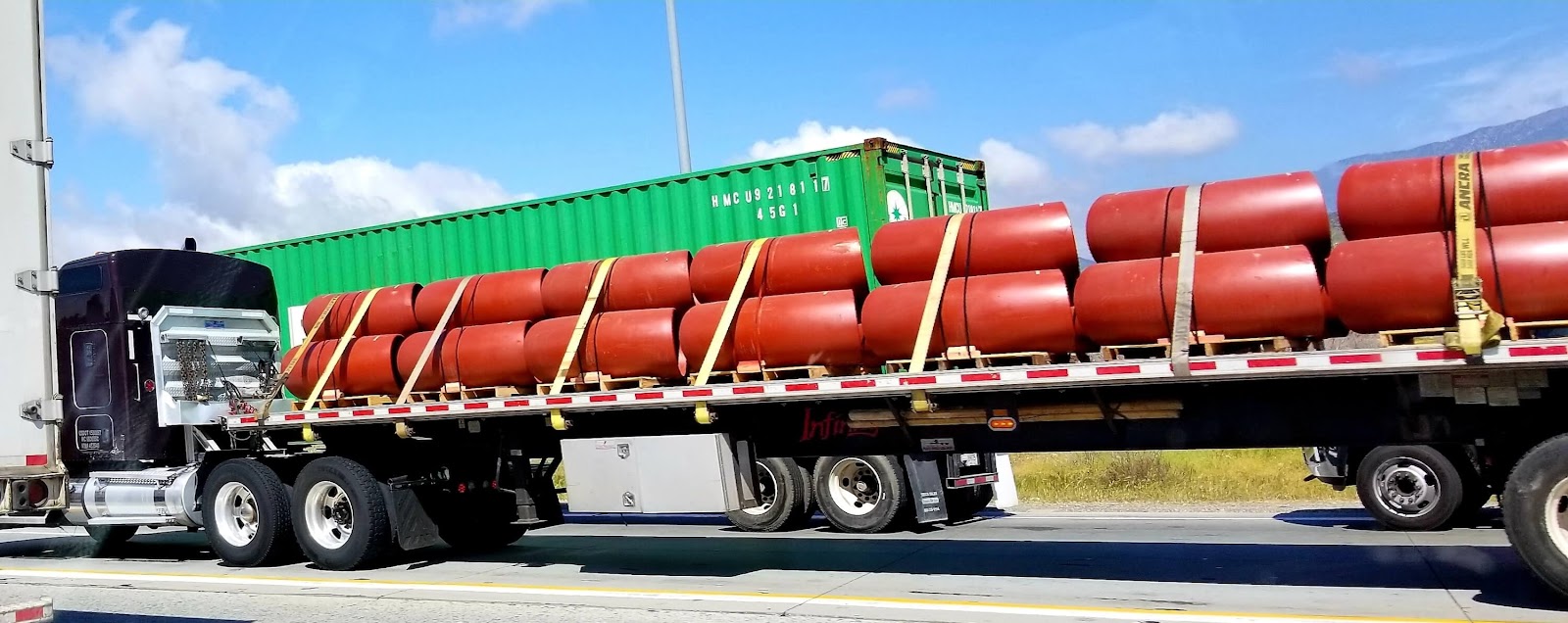
Lowboys, double drops, extendable trailers, and multi-axle units all carry different cost structures. Each configuration has its own loading tolerances and access limitations. Choosing the wrong trailer can mean a higher cost or a failed permit approval.
6. Pickup and Drop-off Conditions
If the origin or destination site has limited access or requires crane lifts, the oversized load shipping costs will increase. In remote areas, it may be necessary to use rough-terrain vehicles or smaller units to stage the load before final transfer.
7. Handling and Support Equipment
SPMTs and cranes may be necessary at different phases of the shipment. This equipment must be scheduled in advance and billed according to usage time, lift capacity, and operational staff needed.
8. Escort Vehicles
These are legally required for many oversize loads and may include front and rear pilot cars with flashing lights. Escort teams coordinate movement, manage intersections, and alert the driver of road hazards or upcoming restrictions.
9. Time Sensitivity
Projects with tight schedules often incur a higher cost due to limited availability or expedited transport services. If a piece of heavy equipment must arrive during a short construction window, premium scheduling rates may apply.
10. Market Demand and Fuel Prices
High demand for heavy haulers and fuel cost spikes can raise the baseline rate. During peak project seasons or supply chain slowdowns, transportation costs can increase without much warning.
The overall cost of transport will vary greatly depending on these factors. Understanding each category helps with early-stage planning and aligns expectations across teams.
Overland Heavy Equipment Transport: Cost Ranges and Challenges
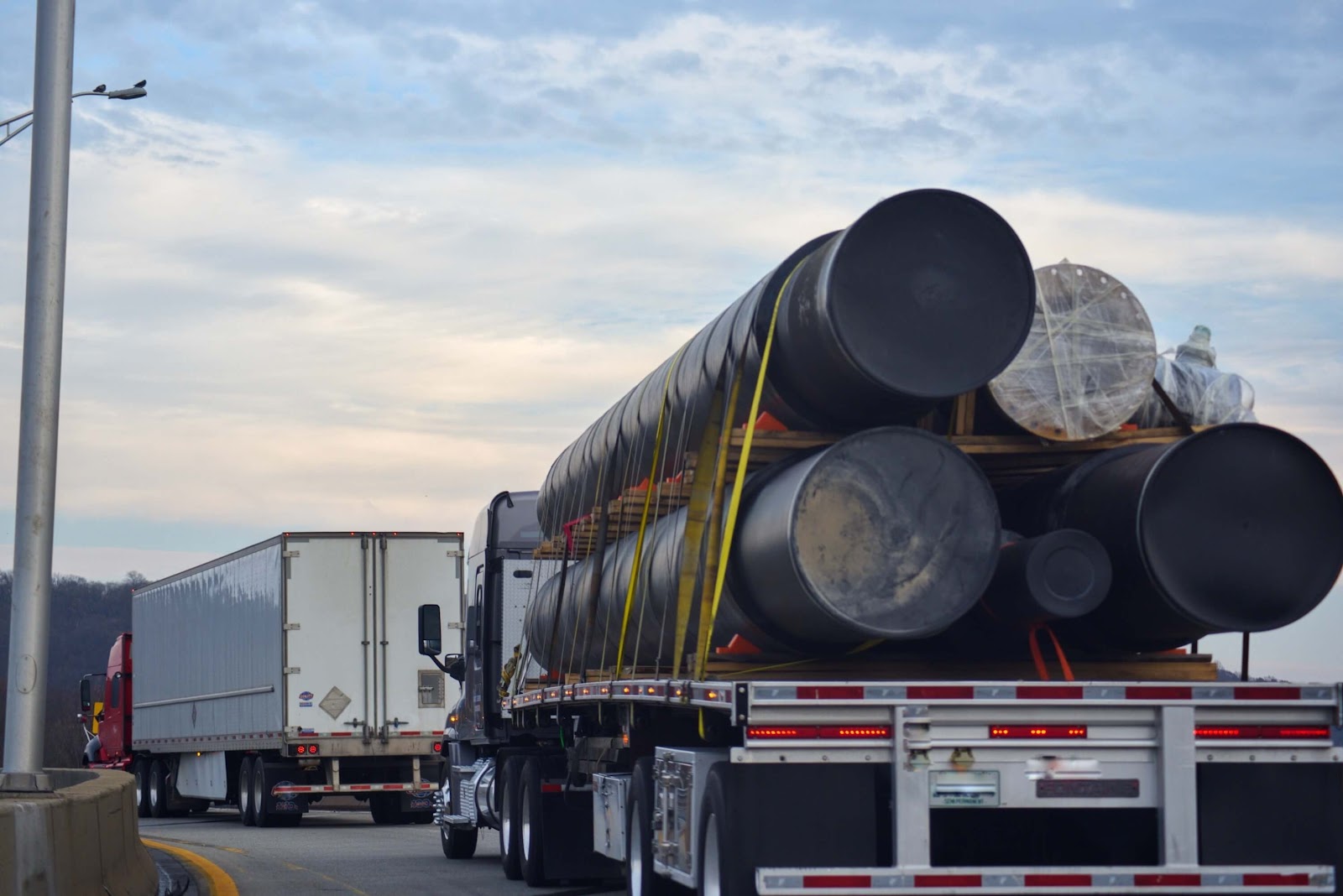
When most people think about moving heavy equipment, they think of heavy haul trucking. It remains the default method in many cases, especially when the route is short or there is no nearby port access.
That said, heavy haul trucking cost structures can scale rapidly. Some loads require multiple escort vehicles, special permits, and very specific routing conditions. The combination of high fuel costs, tolls, and service coordination can raise the shipping costs above initial price estimates.
Common overland costs for heavy haul shipment:
- $4 to $10 per mile for basic oversize equipment
- $10 to $25 per mile for superloads or over-dimensional freight
- Additional charges for:
- Crane rental
- Permit processing
- Route surveys
- Police escorts (when applicable)
There are also hidden fees that can sneak into a heavy haul freight quote, including downtime charges, overnight parking, or holiday travel surcharges. Costs will vary greatly based on the state, weather, traffic, and the exact specs of the load.
For example, a 90,000-pound excavator may be hauled across two states at a base cost of $8 per mile, but once permit fees, pilot cars, fuel surcharges, and tolls are factored in, the overall cost could double. Construction equipment with irregular shapes or attachments may need to be partially disassembled to meet size limits, increasing labor and load times.
In general, overland shipping is most cost effective when:
- Equipment is below superload limits
- Route conditions are favorable
- Local haul freight owner operators are available
For longer distances, or when loads exceed bridge limits or city access regulations, another mode of transport may offer a more reasonable price.
Water Transport for Heavy Equipment: When It’s the Better Option
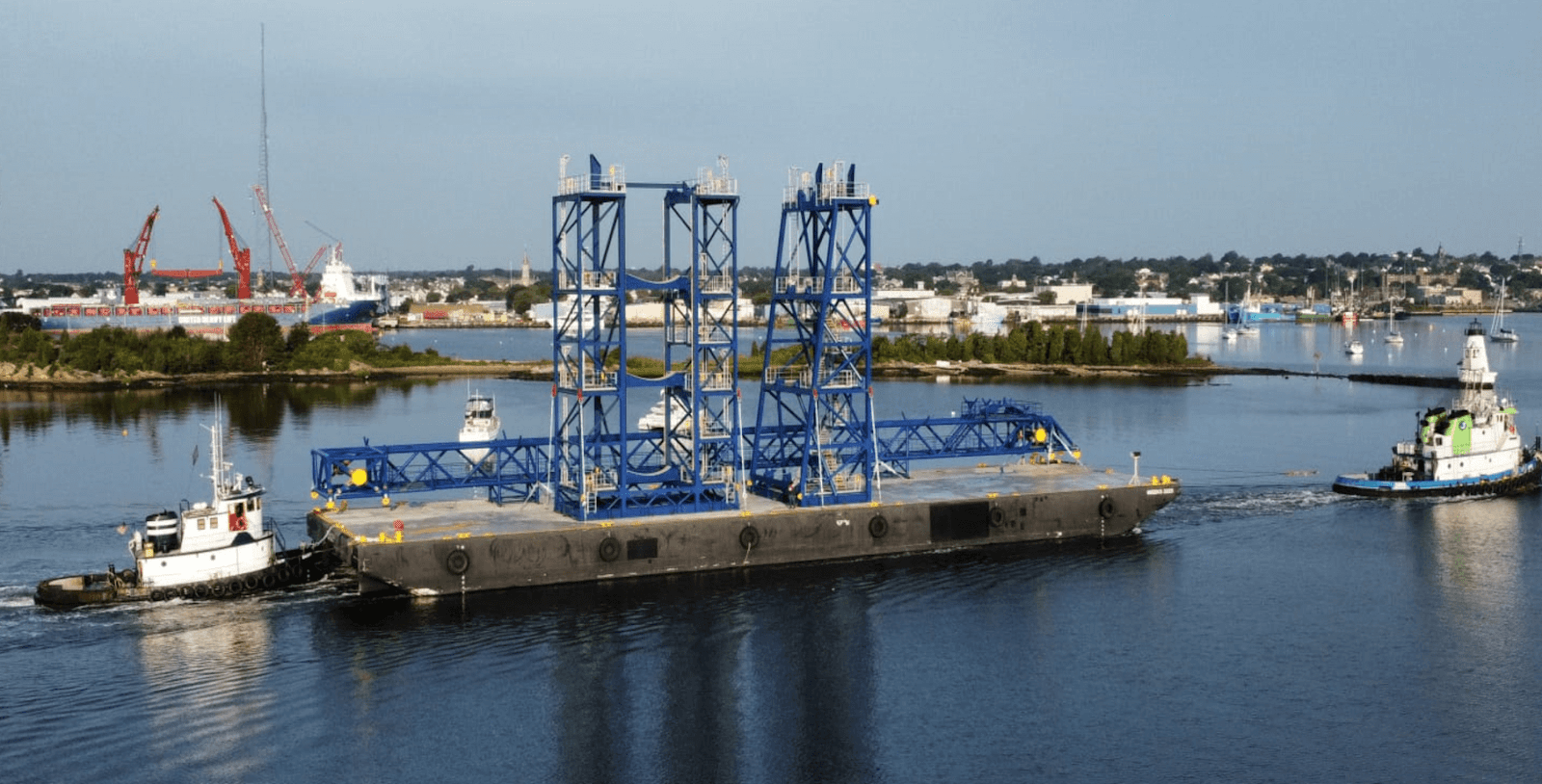
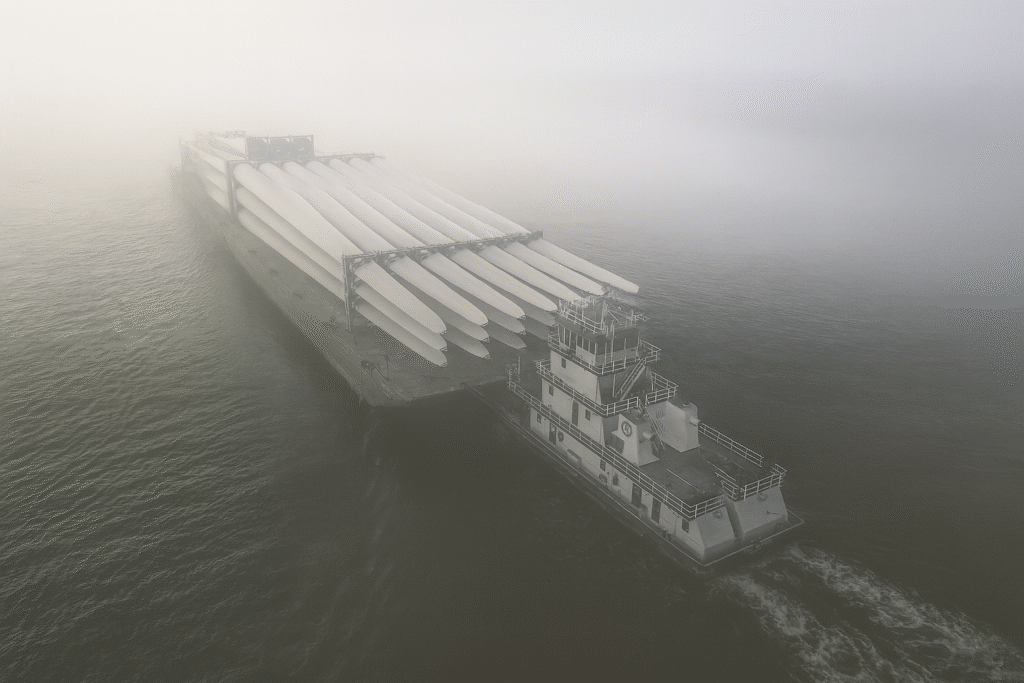
Transporting oversize loads by water doesn’t just serve international projects. It can also be a valuable cost-effective option for domestic jobs near rivers, canals, or coastal regions.
Advantages of water-based transport:
- Higher weight and size limits: Ports can handle what most roads cannot. A single barge can carry multiple pieces of heavy equipment, consolidating loads and reducing trips.
- Fewer escort vehicles and special permits compared to highway hauling. Most maritime corridors are exempt from state-by-state permitting and traffic-based restrictions.
- Predictable fuel costs relative to trucking. Barges and vessels operate on longer fuel cycles and are less affected by short-term fuel price volatility.
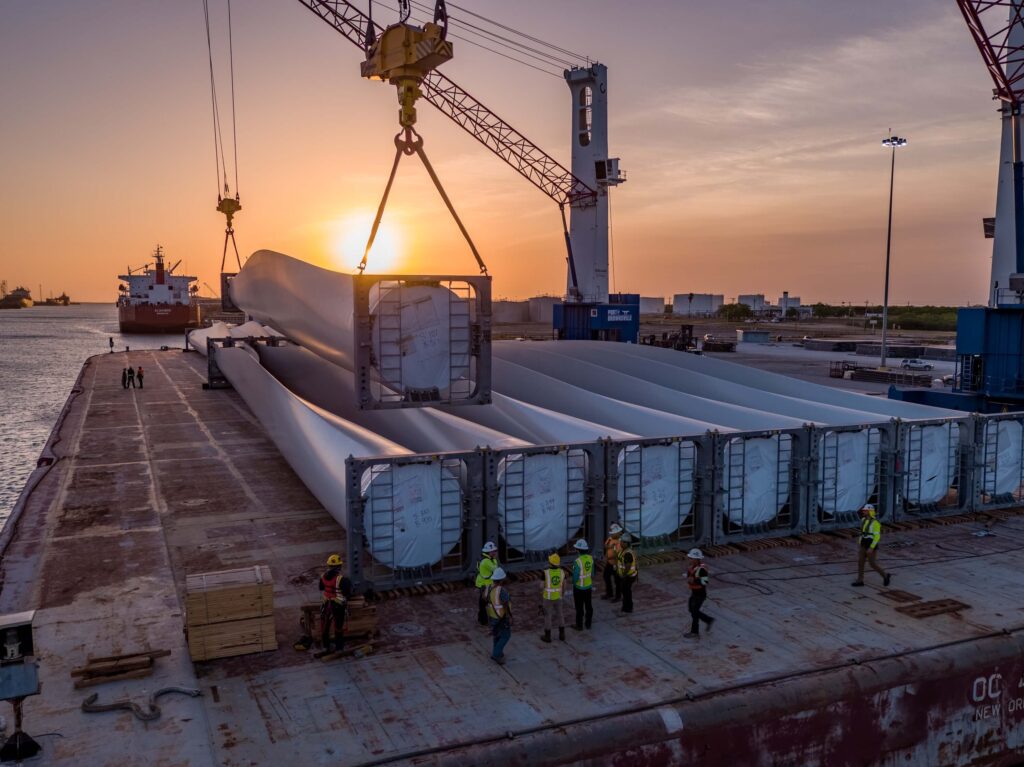
- Access to specialized lifting equipment at major ports. Cranes, rigging crews, and flat yard staging areas make it easier to handle large or awkwardly shaped equipment.
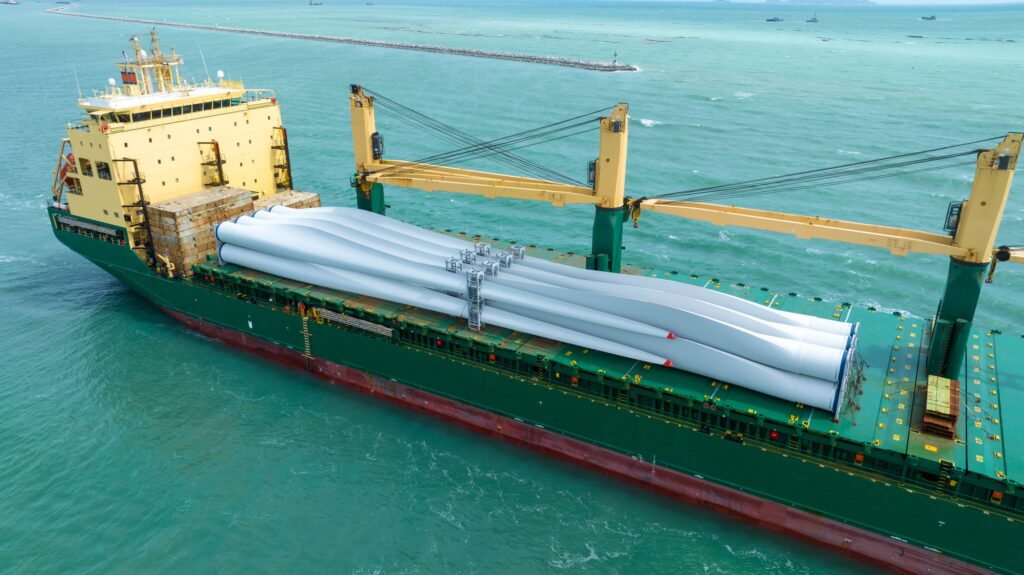
For example, a single heavy haul shipment that would require multiple trailers, pilot cars, and state permits can be moved on a barge with significantly fewer handling requirements. Many shipping services offer flexible port-to-port delivery for construction equipment, oilfield modules, wind turbine parts, and other oversize loads.
SEA.O.G clients often consider oversized cargo transport by water when the load specs exceed state road size limits or when heavy haul shipping costs make overland options less practical.
Water transport does require careful coordination, but the overall cost may be lower when factoring in reduced permit and equipment hauling rates. If the origin or destination is within 100 miles of a port, the shipping company may arrange for a short overland trip paired with marine transport, reducing the need for excessive permits or pilot cars.
How SEA.O.G Helps Estimate and Move Heavy Equipment by Water
SEA.O.G works with estimators, project managers, and procurement leads to identify cost effective alternatives to traditional heavy haul trucking. Every shipment starts with a complete assessment of the equipment, timelines, access points, and port capabilities.
Our services include:
- Feasibility Studies: Before committing to a method, we assess route conditions, port proximity, and required equipment. Our studies help clients understand if barge access or coastal freight is realistic for their location.
- Multi-Modal Coordination: We handle transfers between truck, barge, and rail when needed, using vetted heavy haulers and port partners. This coordination avoids common breakdowns in communication between carriers and keeps the schedule aligned.
- Permit and Escort Planning: Our team manages state and federal permitting, pilot car scheduling, and coordination with other vehicles and stakeholders. This saves time and reduces stress during execution.
- Port Loading Support: With experience in self-propelled modular transport, SPMT setups, and crane handling, we oversee all lift and load phases. Our team has worked with equipment as large as 400 tons, providing the necessary documentation and engineering plans for safe port handling.
- Transparent Pricing: We help you avoid hidden fees and provide clear estimates based on route, trailer types, fuel prices, and port costs. Every estimate includes contingencies for delays, port fees, and equipment staging if required.
- Equipment-Specific Handling: From low-clearance excavators to over dimensional freight, we match each shipment to its ideal vessel and routing plan. Our familiarity with heavy haul logistics ensures that even the most unique construction equipment is matched with the right shipping services.
With an understanding of permitting, heavy haul rates, and specialized maritime handling, our team keeps your heavy equipment moving with fewer delays and fewer surprises.
Conclusion on Heavy Haul Freight Rates
Heavy haul shipments require strategic thinking at every turn. Between permits, trailer types, fuel costs, and escort planning, the cost of transport is rarely straightforward. When estimating for a project, it helps to compare modes, account for real-world variables, and explore whether water-based options offer better value.
SEA.O.G is built to support teams making these decisions with confidence. From inland ports to coastal loading terminals, we help you move heavy equipment safely, legally, and on a timeline that matches your project goals. Contact us today to learn more.
Key Takeaways
- Heavy haul rates vary based on permits, weight, trailer types, and route complexity.
- Water transport can offer lower overall costs for oversized loads.
- Choosing the right shipping company reduces risk and avoids hidden fees.
- Sea.O.G specializes in marine and multimodal transport for heavy equipment.
- Fuel prices and market demand can increase the final cost per mile.
Frequently Asked Questions
How can I estimate the cost to ship heavy construction equipment?
Start by evaluating the dimensions and weight of your load and identifying the most appropriate trailer. The overall cost will depend on distance, route restrictions, and support needs. When using professional transportation services, request a breakdown that includes permits, pilot cars, and fuel surcharges to avoid underbudgeting.
What is the advantage of water transport over heavy haul trucking?
Water transport is ideal for shipping heavy equipment over long distances, especially when roads cannot accommodate the load. This option can reduce oversized load rates and eliminate the need for multiple escort vehicles, which helps save money on total delivery expenses.
Do I need special permits for marine transport of heavy equipment?
While marine shipping avoids highway permits, any overland leg still requires approval. Heavy equipment shipping by barge may involve port-specific documentation. Partnering with a team experienced in heavy equipment hauling ensures nothing gets missed, and your equipment arrives safely.