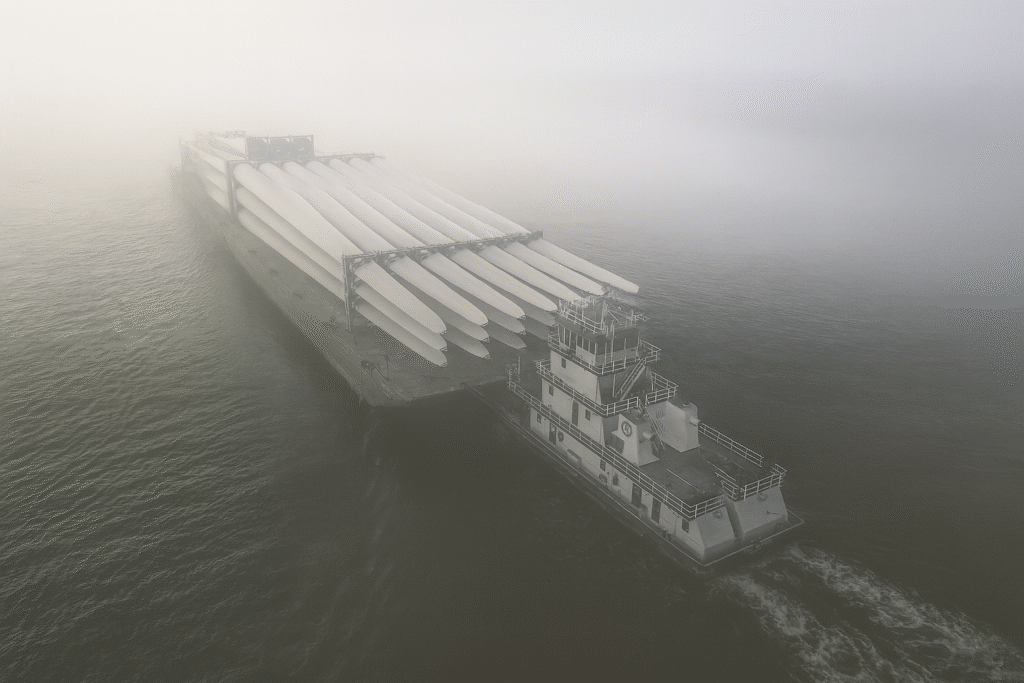
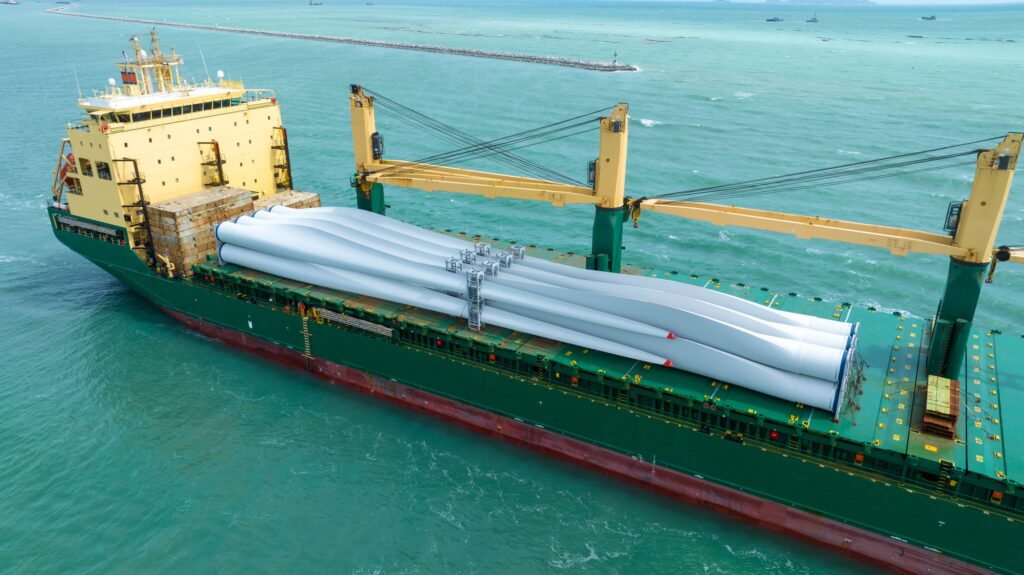
Shipping has always been about moving goods safely from one place to another, but not every load fits neatly into standard shipping containers. Some goods are too large, too heavy, or too irregular to be packed in boxes or containers. This is where break bulk and project cargo shipping come into play.
These approaches deal with the kind of cargo that challenges standard methods, offering options for oversized shipments, unusual shapes, and heavy equipment needed for critical industries.
In this blog, we’ll explain what break bulk cargo is, what project cargo involves, how the two overlap, and the unique challenges of transporting goods that don’t fit standard container models. You’ll also see how SEA.O.G supports companies with the planning, equipment, and expertise required to move these complex shipments.
What Is Break Bulk Cargo?
Break bulk cargo refers to goods that are loaded directly onto a ship without being packed into containers. Instead of going inside a container, each shipment is handled individually. This means break bulk items are placed on the vessel piece by piece, often with specialized equipment like cranes or forklifts.
Examples of break bulk cargo include:
- Steel coils and pipes
- Bags of cement or other construction materials
- Heavy machinery or heavy cargo
- Vehicles such as trucks or buses
- Pallets of goods in smaller units
- Grain, lumber, or other dry commodities in packages too irregular for containers
The advantage of break bulk cargo is that it allows large cargo of various sizes to move through smaller ports that lack container terminals. Because the items are loaded directly and subject to individual handling, break bulk shipping provides access where containerized transport is not possible.
Break bulk cargo has several advantages. It makes use of bulk carriers or bulk vessels that are designed to handle diverse cargo types, meaning they can accept irregularly shaped cargo and oversized shipments. For shippers in industries such as oil and gas projects, this approach is often the most practical way to move massive components and other equipment.
The challenge is that loading and unloading each single unit is time consuming, often requiring special handling, cranes, and a dedicated workforce. Still, for many industries, break bulk shipping is a cost effective option compared to alternatives that require specialized charter vessels.
What Is Project Cargo?
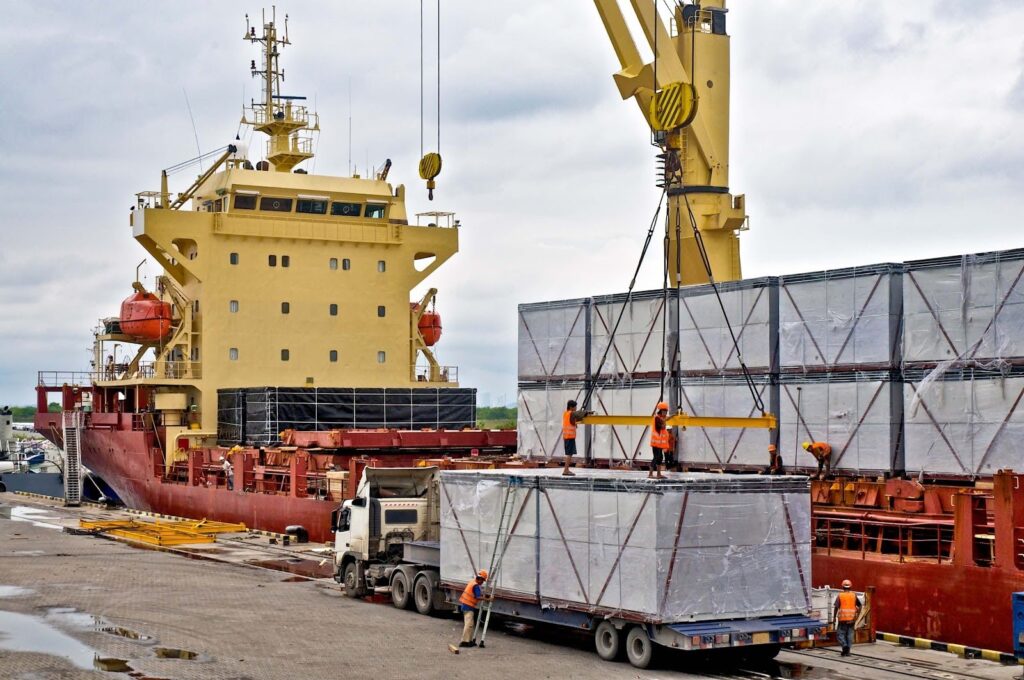
Project cargo refers to the transportation of large-scale, complex, and high-value materials tied to industrial projects such as gas projects, construction, or oil and gas projects. These are often oversized cargo shipments involving heavy equipment, energy infrastructure, or oversized machinery for plants and refineries.
These shipments require careful coordination across modes of project cargo transportation, including breakbulk shipping, road, rail, and ocean. Many shipping project plans must account for:
- Size and weight limitations on highways and bridges
- Coordination with dedicated terminals
- The need for special handling and specialized equipment
- Managing schedules for loading and unloading across different regions
Unlike routine cargo movements, project cargo is often unique to a shipping project, requiring custom planning and execution. It demands a high level of coordination and risk management.
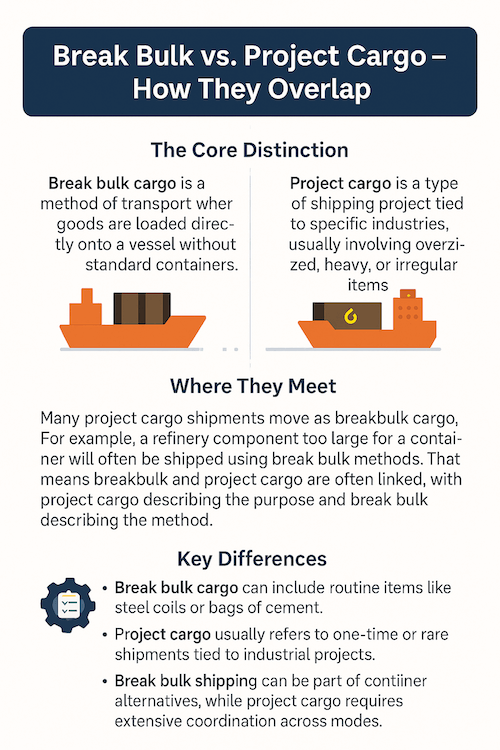
Break Bulk vs. Project Cargo — How They Overlap
Challenges in Moving Break Bulk & Project Cargo
Moving breakbulk cargo and project cargo comes with distinct challenges. These are the issues companies face when planning a shipping project, and they highlight why specialized support is vital.
Permitting and route planning
Oversized loads often exceed size and weight limitations, requiring permits for highways, ports, and bridges. Regulations vary by region, which means a piece of heavy cargo may need multiple permits to move across state lines or national borders. Without this preparation, delays at checkpoints can halt an entire project schedule.
Port infrastructure
Not every terminal has the cranes, rigging crews, or dedicated terminals necessary for heavy lift operations. Smaller ports may lack modern container terminals but can still handle break bulk cargo if planned properly. In these cases, staging areas and specialized equipment are brought in, which requires significant coordination.
Handling requirements
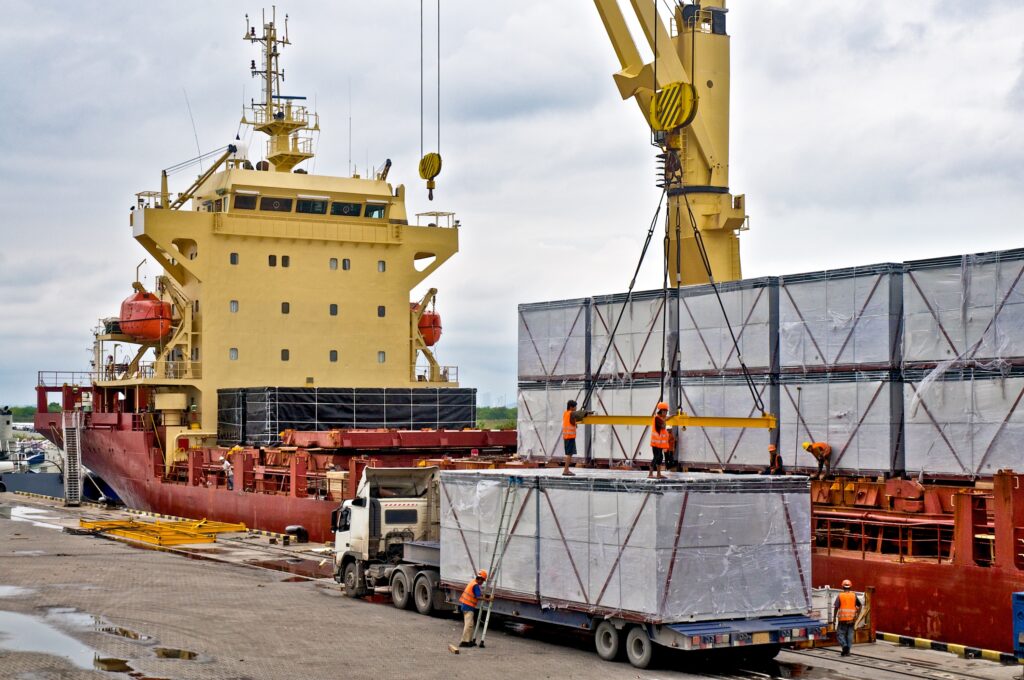
Breakbulk cargo often involves special cargo handling. Turbines, for example, may require a two-crane lift to maintain balance, while oversized cargo like bridge beams or generators needs careful rigging to avoid damage. Each piece of cargo requires individual handling, making the process more complex compared to container shipping.
Coordination of modes
A project may start on a bulk vessel, transfer to a barge, and end on specialized trucks. Each switch requires scheduled crews for loading and unloading, as well as laydown yards that can accommodate large quantities of materials. The complexity multiplies with cargo types of various sizes.
Insurance and financial risk
The value of project cargo is often measured in millions of dollars. A delay, accident, or mishandling incident can create serious financial loss. For this reason, project cargo insurance is a standard requirement. It covers not just damage, but also losses tied to missed deadlines, which can be significant for energy or infrastructure contracts.
Storage and laydown areas
Oversized cargo cannot always move directly from ship to final location. Many shipping projects require temporary storage at ports or inland facilities. These areas need more space than standard warehouses and must allow for cranes and trucks to maneuver during loading and unloading. Without planning, a lack of space can slow down progress and increase costs.
Together, these challenges show why moving break bulk cargo and project cargo requires much more than booking a vessel. The planning involved is just as critical as the transportation itself.
How SEA.O.G Supports Break Bulk & Project Cargo
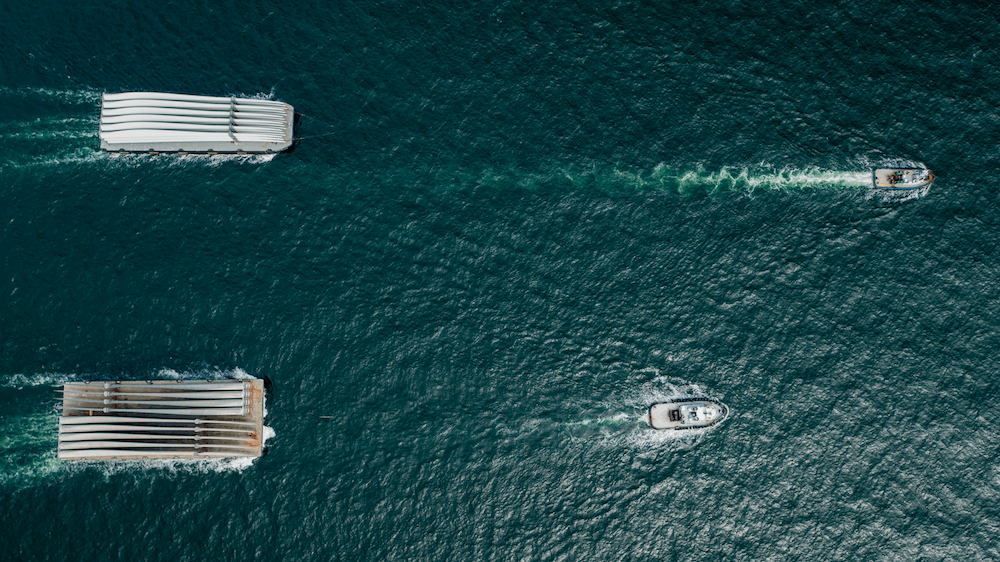
SEA.O.G provides comprehensive services for clients needing support with breakbulk shipping and project logistics. Our approach is hands-on, shaped by experience across industries that rely on moving complex, high-value freight.
We coordinate across transportation modes, whether a shipment requires container shipping alternatives, barge moves, or specialized trucks for inland transport. Each shipping project is planned with an understanding of size and weight limitations, reducing the risks that can appear at bridges or terminals.
Our team also provides project cargo handling, including crane scheduling, rigging crews, and special handling for breakbulk items such as turbines, refinery components, and heavy equipment. By preparing for loading, unloading, and staging, we cut down on delays that often occur when oversized freight arrives at ports without the right resources.
Our route planning team conducts detailed surveys for oversized freight to identify bridges, clearances, and road widths before the first load moves. This prevents time consuming re-routes and creates a cost effective approach to moving large-scale cargo.
We also advise on financial risks, including how to avoid demurrage and detention fees. By aligning schedules across vessels, barges, and inland carriers, SEA.O.G helps clients reduce unnecessary costs that can arise when freight is held longer than expected.
From heavy lift operations to complex breakbulk shipments, SEA.O.G delivers practical support at every stage. Clients can focus on their core projects knowing their freight is managed by a team that understands both break bulk shipping and project cargo logistics.
Conclusion on Break Bulk and Project Cargo Shipping
Break bulk and project cargo represent two essential areas of logistics for industries requiring the movement of oversized cargo and heavy equipment. While break bulk cargo describes the method of loading and unloading, project cargo ties directly to the purpose of moving unique and valuable materials for specific industries.
Both approaches are integral to global trade, especially where standard containers cannot be used. By working with a provider like SEA.O.G, companies gain a partner who understands the details of bulk shipping, breakbulk cargo, and the coordination required to move critical freight safely.
Key Takeaways
- Break bulk cargo involves goods loaded directly onto a ship in smaller units or irregular shapes.
- Project cargo refers to high-value, complex, and oversized cargo tied to specific industrial projects.
- Many project cargo shipments rely on breakbulk shipping methods.
- Both approaches require specialized equipment, careful handling, and planning for size and weight limitations.
- SEA.O.G provides project logistics, risk management, and operational support to make shipping project operations cost effective.
Frequently Asked Questions
What is the difference between project cargo and break bulk?
Project cargo refers to high-value, one-time industrial freight tied to a project, such as refinery modules or wind turbines. Break bulk describes the method of moving these goods when they cannot fit into standard shipping containers. For example, a refinery pressure vessel may be considered project cargo and moved by break bulk methods.
What is the difference between bulk cargo and break bulk cargo?
Bulk cargo refers to loose form commodities like grain, coal, or oil that are poured directly into a ship’s hold. Break bulk cargo refers to cargo packed into smaller units such as crates, bags, or pallets, which are loaded directly onto a vessel using cranes or forklifts. This is the key difference between bulk cargo and break bulk cargo, and it shapes how shipments are handled at ports.
What is a break bulk shipment?
A breakbulk shipment is any move where goods are transported individually instead of using containers. This might include heavy machinery, steel coils, or vehicles. At port, cranes and rigging crews are used for loading and unloading, with every piece requiring special handling to keep the cargo secure. Breakbulk shipping is common for industries that move heavy lift freight or oversized cargo that cannot be containerized.