Oversized freight comes with oversized risk.
Moving project cargo means dealing with high-value items, complex logistics, and a chain of carriers and handlers where even one misstep can lead to costly delays or damage. That’s why project cargo insurance exists. It helps shield cargo owners, freight forwarders, and vessel agents from financial loss when the unexpected happens.
This guide explains what project cargo insurance covers, why it matters, and how clients, vessel agents, and logistics providers can approach it with confidence.
What Is Project Cargo Insurance?
Project cargo insurance is a category of marine cargo insurance that covers freight that falls outside the standard definition of containerized goods. It’s designed for shipments that are heavy, oversized, or uniquely valuable. These shipments often include equipment for industrial plants, renewable energy components, generators, turbines, and infrastructure modules.
Where general cargo insurance may provide some protection, it usually lacks the depth required for break bulk and project cargo shipping. Each project movement is unique and often includes several modes of transit, temporary storage, and custom handling procedures.
How It Differs from Standard Coverage
- Supports freight that doesn’t fit in standard containers.
- Addresses the higher value and complexity of the cargo.
- Includes coverage during warehousing, domestic transit, and laydowns.
- Covers transit across multiple carriers and methods.
- Can be tailored to meet insurance requirements in sales contracts.
This type of policy provides insurance coverage for physical loss, liability, and other risks specific to industrial and infrastructure shipping projects.
Why Project Cargo Insurance Matters
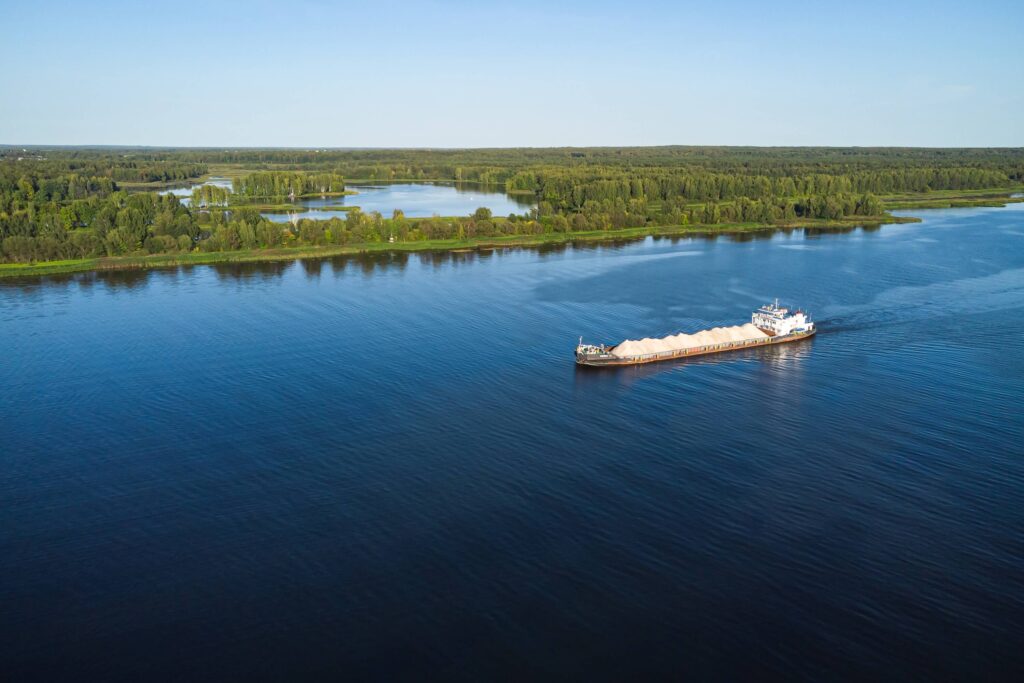
Once you understand what project cargo insurance is, it becomes easier to see why it plays such an essential role in global shipments. These shipments are often large, valuable, and tied to critical phases of industrial or infrastructure projects. Insurance is what protects those shipments when conditions are unpredictable or when something goes off course.
The Risk Goes Beyond the Freight
Project cargo shipments often include equipment that is custom-built and time-sensitive. If something is damaged or goes missing, replacing it may not be as simple as ordering a new unit. The delay could impact project schedules, increase costs, and create challenges with contractors or stakeholders. A strong insurance policy helps protect against that kind of disruption.
Insurance Requirements Are Common
Many shipping contracts and commercial documents include specific insurance expectations. These may define the type of coverage needed, the amount required, or which party is responsible for arranging the policy. If insurance coverage is missing or incomplete, it can cause delays at customs, hold up port operations, or create legal issues during inspections. Taking care of coverage early helps avoid unnecessary slowdowns.
Carrier Liability Covers Very Little
Although carriers include limited liability as part of their service terms, the coverage amount is usually based on weight. That amount is often much lower than the actual value of the cargo. Relying on the carrier’s terms alone leaves a large portion of the shipment unprotected. This is one reason many cargo owners and logistics teams secure their own policy.
Insurance Planning Supports the Entire Project
Planning insurance early in the shipment process gives everyone involved more confidence. It helps project teams stay on schedule, prevents miscommunication, and shows financial partners that the shipment meets industry and regulatory standards.
With the purpose of project cargo insurance established, the next step is understanding what this coverage includes and how it protects freight during each stage of transport.
What Does Project Cargo Insurance Cover?
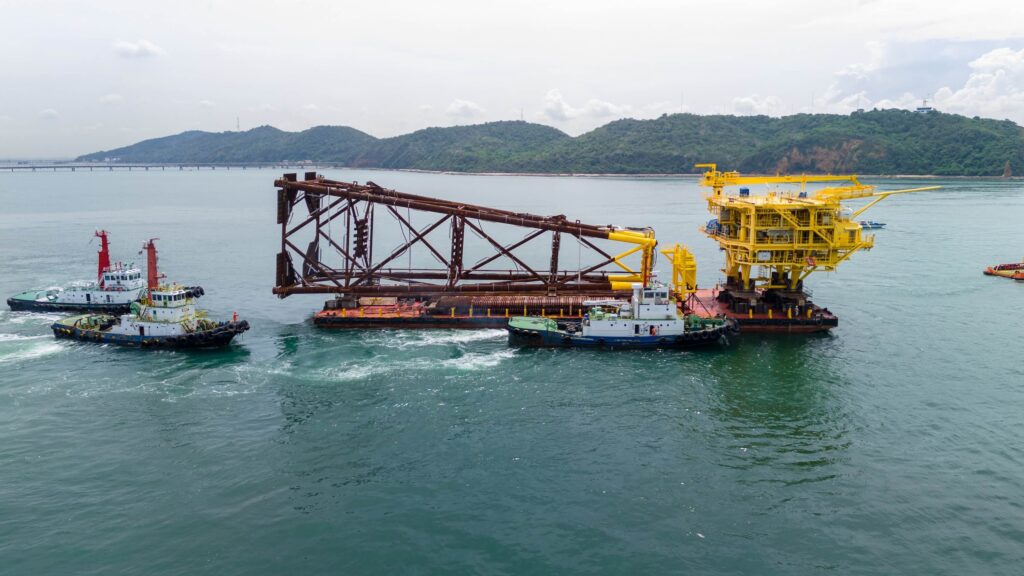
Project cargo moves through multiple touchpoints. Each one increases the chance of exposure, making coverage an essential part of protecting both cargo and timelines. A well-written cargo insurance policy accounts for these exposures across all phases of movement.
What’s Typically Included
- Physical loss or damage: Protection against damage caused by drops, fire, shifting in transit, or water intrusion. This includes cargo that becomes unfit for use due to dents, cracks, or crushing.
- All risk coverage: Broad coverage that applies unless specific exclusions are written into the policy. This is ideal for cargo that requires temporary storage or multi-day handling at port facilities.
- General average: If the entire vessel is at risk and some cargo is sacrificed to save it, all cargo owners must contribute to the loss. Insurance helps cover the financial portion owed.
- Delay in start-up (DSU): Some projects depend on cargo arriving by a certain date. If that deadline is missed, the financial fallout can be significant. DSU provides protection for these delays.
- Stock throughput: Offers coverage from the manufacturer to the final delivery point, including warehouse time. This type of insurance solution is especially helpful for projects with staging or transloading phases.
- Bodily injury and property damage: In case the freight causes injury to handlers or damage to equipment, this liability coverage provides financial protection.
- Carrier liability gaps: Carrier liability is limited under most internationally recognized trade terms, and often pays out based on weight rather than value. Project cargo insurance fills that gap.
These types of coverage apply whether the freight is in motion, paused in a warehouse, or awaiting delivery at a staging site.
9 Practical Tips for Vessel Agents and Cargo Owners
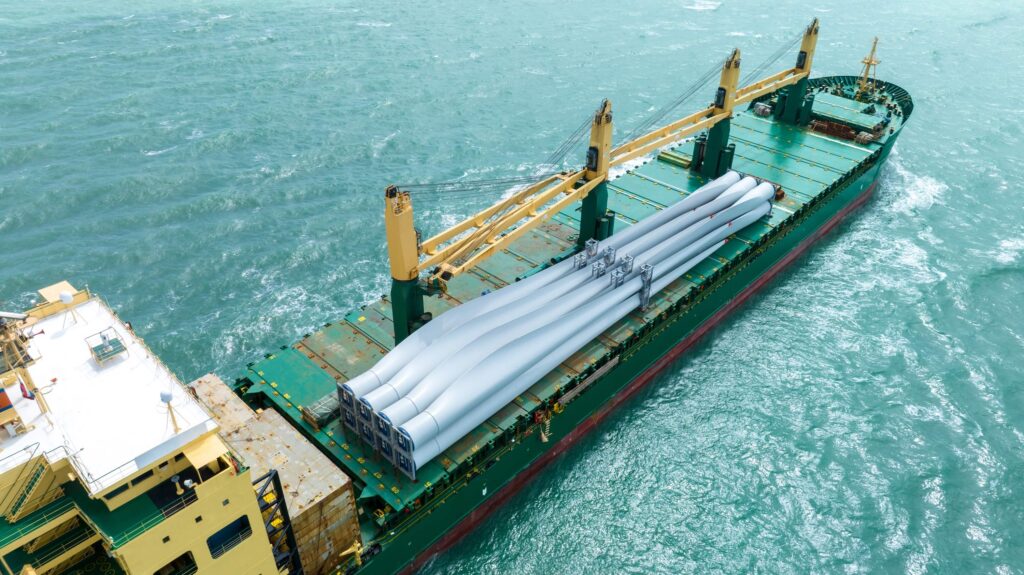
Project cargo insurance works best when it is part of the planning process, not treated as an afterthought. These tips can help vessel agents, freight forwarders, and cargo owners prepare for coverage that aligns with the realities of project freight.
1. Start Coverage at the Point of Origin
Insurance should begin when the cargo is first handled, not when it reaches the port. This includes movement from the manufacturing site or storage facility. If coverage only applies once the freight is loaded onto the vessel, earlier risks are left exposed. Beginning coverage at the first handoff ensures the shipment is protected throughout the entire journey.
Learn more about this in our blog about route surveys.
2. Work with a Specialist Insurance Agent
Not all insurance agents have experience with project cargo. Working with someone who understands marine cargo and high-value freight can make a meaningful difference. A specialist can identify risks others might miss and help structure coverage that reflects the full scope of the shipment, including storage, handling, and transit.
3. Compare Policies, Not Just Prices
Cost is important, but it is only one part of the decision. A lower premium may come with limited coverage or higher deductibles. Comparing policies side by side gives a clearer view of what is actually included. This helps ensure that important protections, such as delay coverage or warehouse storage, are not left out.
4. Review What’s Not Covered
Even policies labeled as comprehensive can have exclusions. These may include things like mechanical failure, improper packing, or certain natural events. It is important to read the policy carefully and understand what is not included. If a specific risk applies to the shipment, it may be possible to add it with an endorsement or additional coverage.
5. Insure the Full Value of the Shipment
Project logistics often includes more than just the equipment itself. The full value may also involve freight costs, handling fees, duties, and potential penalties tied to project schedules. If the policy only covers the base price of the cargo, any claim could fall short of what is actually lost. It is better to reflect the total exposure in the policy from the beginning.
Learn more about other important port fees with our blog on detention and demurrage charges.
6. Keep All Documentation Organized
Good documentation supports the claims process. Keep clear records of the commercial invoice, packing list, photos before and after loading, inspection reports, and any other documents related to the shipment. If something goes wrong, having this information available can speed up claim resolution and reduce disputes.
7. Clarify Who’s Responsible for the Policy
Many project shipments involve multiple parties, and responsibilities can sometimes be unclear. The sales contract may outline who should arrange insurance, but this should be confirmed in writing. When everyone knows who is responsible, it helps avoid confusion and ensures there are no unexpected gaps in coverage.
8. Include Storage and Transfer Points
Project cargo often passes through staging yards, bonded warehouses, or ports before reaching its destination. These pauses introduce risk. Make sure your policy includes coverage during these periods. If insurance only applies while the cargo is in motion, damage or loss during storage might not be covered.
9. Plan for Legal and Contractual Requirements
Some projects come with specific insurance requirements, often outlined in the sales agreement or financing terms. These may include minimum coverage amounts, policy formats, or named beneficiaries. Meeting those requirements early helps avoid delays at customs, contract disputes, or shipment holds.
10. Think Beyond the Shipment
Insurance is part of a larger plan to keep the project on track. It helps protect timelines, budgets, and relationships. A well-structured policy does more than handle claims. It builds trust across the team and gives everyone involved more confidence in the delivery process.
By staying proactive, clients and agents alike reduce the chance of surprise exclusions or delays caused by insufficient insurance preparation.
Conclusion on Project Cargo Insurance
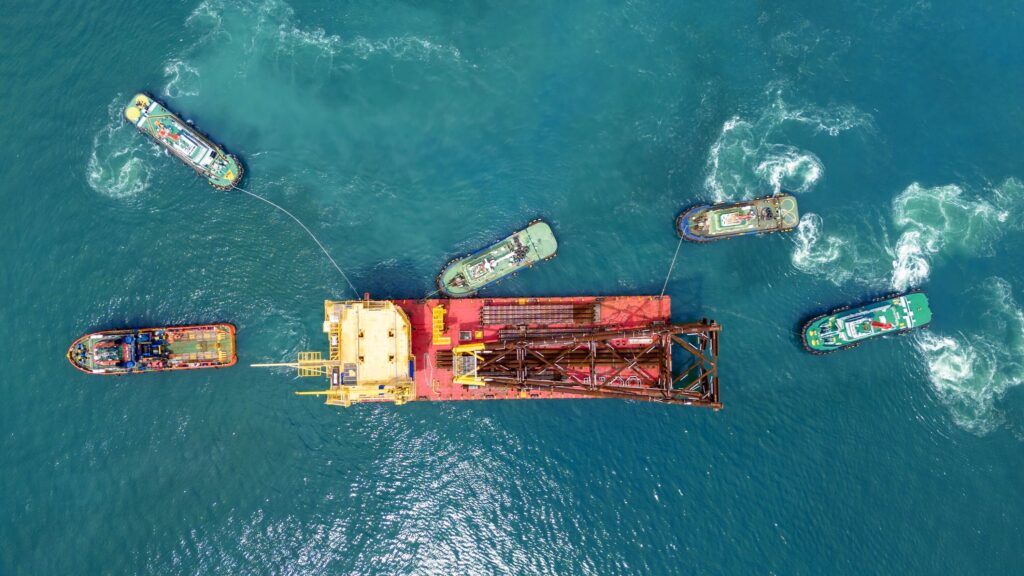
Project cargo doesn’t just move equipment. It supports critical infrastructure, energy projects, manufacturing systems, and capital investments. Whether it’s a single transformer or an entire module, each shipment is a link in a much larger supply chain.
Cargo insurance helps keep that chain intact. It shields against financial loss, missed deadlines, property damage, and shared liability. When the right protections are in place, vessel agents and freight forwarders can focus on execution without hesitation about what might happen if something goes wrong.
SEA.O.G supports clients throughout every phase of project cargo transport. From coordinating handoffs to managing compliance documents, our team helps ensure that your cargo is protected with the appropriate coverage. We help connect clients with experienced insurance agents, clarify carrier liability, and create the conditions for cargo to reach its destination on time and in good condition.
The right protection is not about checking a box. It’s about protecting your cargo, your contracts, and your reputation.
Key Takeaways
- Project cargo insurance provides protection for oversized, high-value freight in transit.
- Marine cargo insurance supports ocean cargo, air freight, and overland moves involving rail or road.
- Policies cover physical loss, delays, stock throughput, and bodily injury during handling or movement.
- Standard carrier liability often fails to reflect the full value of project freight.
- Cargo owners and vessel agents should secure their own insurance and not rely solely on carriers.
- Choosing the right insurance agent helps match coverage to shipment details.
- A strong policy supports the supply chain through every phase of movement.
Frequently Asked Questions
How much is $100,000 in cargo insurance?
A standard marine cargo insurance rate ranges from 0.4% to 1.2% of the insured value, depending on the freight type and route. For $100,000 in coverage, that translates to roughly $400 to $1,200 in premium. Projects that require all risk coverage, delay in start-up, or general average protection may pay slightly more. It’s best to compare quotes through a qualified insurance agent.
How much does cargo insurance usually cost?
Typical cargo insurance costs range from 0.3% to 2% of the total shipment value. For high-value project freight or multi-modal international movements, the upper end of that range is more likely. Additional insurance requirements such as coverage for ship repairers or third-party bodily injury may also increase the cost.
What does cargo insurance cover?
Cargo insurance generally covers damage, loss, property damage, and delays caused by rough handling, weather events, or human error. For project cargo, the policy often includes stock throughput, general average, cash deposit for customs clearance, and financial protections for time-sensitive deliveries. This kind of insurance is crucial for safeguarding the full value of goods and their role in broader projects.
