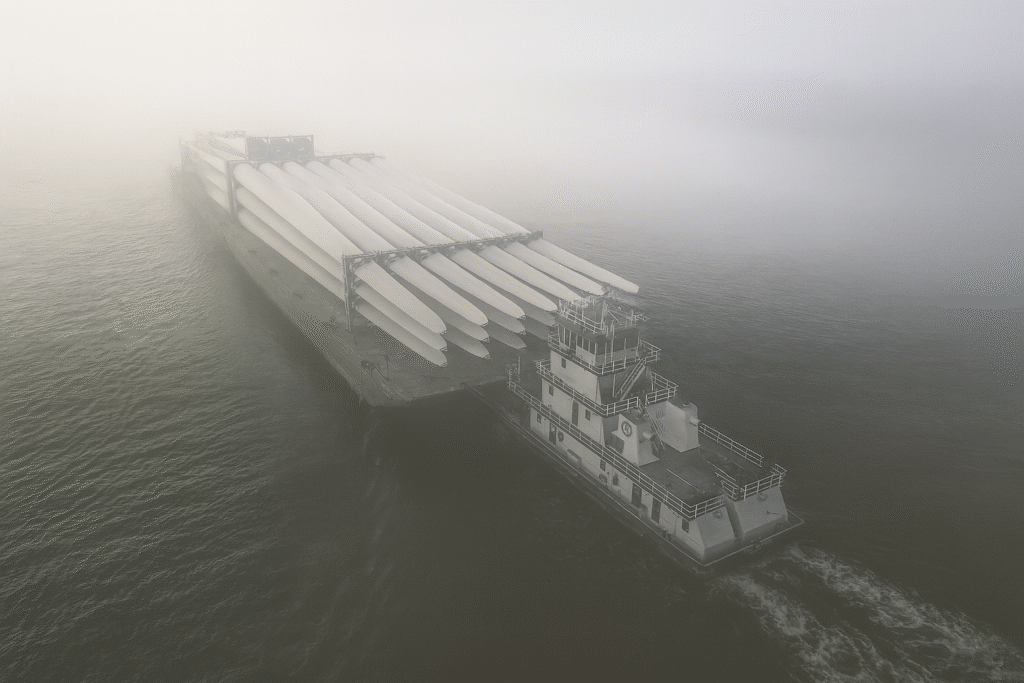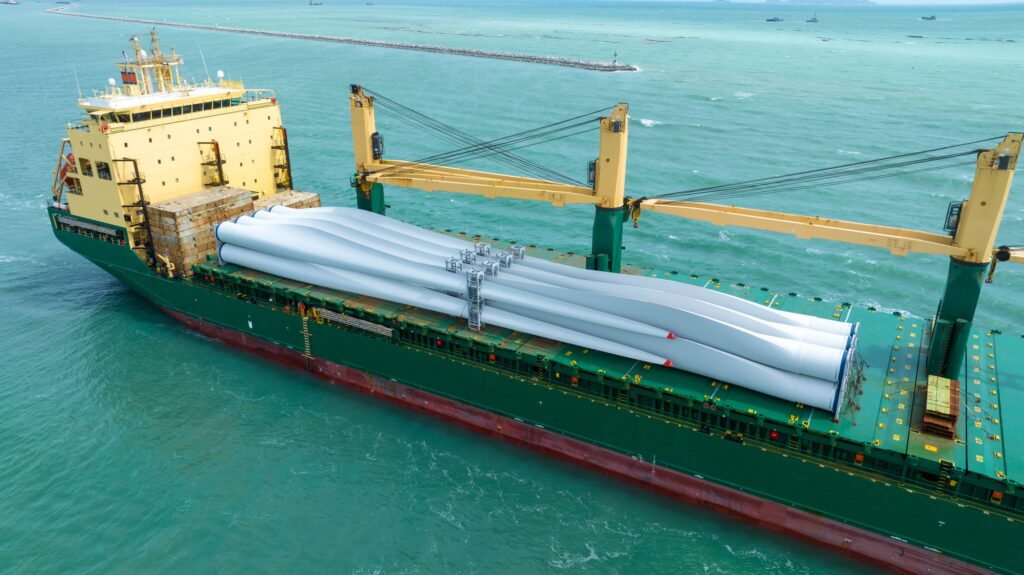

You can’t fake your way through an oversize load. If you’ve ever been on a project where a transformer showed up without permits, or where a 17-foot-wide vessel got routed under a 16-foot bridge, you know how fast things fall apart.
Moving freight like this takes more than booking a big truck and hoping for the best. It takes site-level intel, planning that holds up in the real world, and people who know exactly what to look for.
We wrote this for project teams who are staring down a complicated haul and don’t want to find out the hard way what went wrong. Whether you’re hauling heavy equipment to a job site, coordinating oversized freight shipping transport by water, or trying to get a brand new module from yard to dock without blowing your schedule, this guide walks you through what matters and what will cost you if you ignore it.
Start With Load Intelligence
This is where every project needs to begin. Before anyone calls a carrier, applies for permits, or surveys a route, you have to understand exactly what you’re moving. If you’re guessing on size or weight, you’re building a plan on bad information.
Oversize loads trigger rules based on inches and pounds. If you’re off by just a little, you may need additional permits, escorts, or a completely different trailer setup. We’ve seen loads sit for days over one inch of miscalculated width. It’s not worth the risk.
Load intelligence means taking the time to verify the details before the rest of the shipping process starts. That information will drive everything else, including what kind of equipment you need, how permits are written, what the route looks like, and how you coordinate transfers between trucks, barges, and cranes.
Here’s what your team needs to have locked in:
- Actual dimensions (length, width, height) pulled from the finished unit, not just a design drawing
- Verified weight, including packaging, rigging gear, and any support frames
- Center of gravity, so you’re not fighting balance issues when the trailer hits a slope or tight turn
- Lifting points and rigging instructions for every transfer, from the yard to the job site
- Whether the load is divisible, which can help you avoid oversize classification if a breakdown is possible
- Load layout, including overhangs, clearances, and axle spacing
- Access limitations at both ends, like crane heights, gate width, surface stability, or power lines overhead
Once these are confirmed, you can calculate axle loading, check weight limits, and start matching the right equipment. That might include step deck trailers, dual-lane trailers, or self-propelled modular transport units depending on the configuration and handling needs.
If your equipment is brand new and still crated, don’t forget to include the packaging weight. That gets overlooked more often than you’d think.
Starting here saves time later. It gives you the real numbers, not estimates, so you can plan for what’s coming instead of reacting to what you missed.
Permitting and Compliance Across Jurisdictions
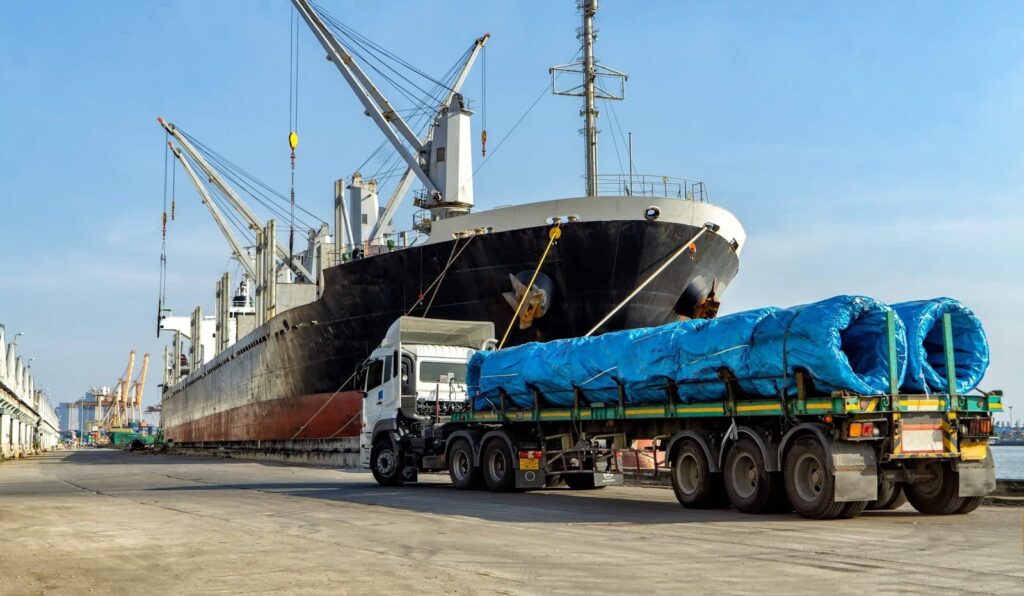
Getting permits right is one of the most important parts of moving oversize loads. It’s also where a lot of jobs go sideways. If you don’t have the proper permits in place, it doesn’t matter how well everything else is planned. That load will sit.
Some teams try to shortcut this step, thinking permits are just a formality. They’re not. Permits control where, when, and how your shipment is allowed to move. Without them, your driver gets pulled off the road or turned away at the port. That’s a mess no one wants.
Here’s what you need to keep in mind:
Know When Oversize Rules Apply
Any time your load exceeds 8.5 feet in width or reaches more than 13.6 to 14 feet in height, you move into oversize territory. If the gross weight is more than 80,000 pounds or the axle configuration exceeds legal spacing, it’s considered an overweight load. That triggers permit requirements.
This isn’t something to leave for later. If you’re unsure, calculate your total weight and dimensions before you schedule the shipment. A small overage can require new routing, additional escorts, or completely different trailer setups. That changes everything downstream.
Local Rules Can Be Stricter Than State
Just because a state DOT approves a permit doesn’t mean you’re cleared everywhere along the route. Cities and counties often have their own regulations. Some restrict movement during school drop-offs or holidays. Others require a local police escort or special routing through industrial zones.
Pilot car driver requirements also change by location. One state may require a lead and chase vehicle at 12 feet wide. Another might require them at 10. Every leg of the trip needs to be reviewed, even if the route looks straightforward.
Permit lead times vary. In some rural areas, a single trip permit might get approved the same day. In more congested states or during heavy haul season, it could take up to 21 business days. That time needs to be built into the schedule early on so the shipping process doesn’t get delayed waiting for paperwork.
Build the Full Permit Packet
Permits aren’t one-pagers. A complete packet usually includes:
- A detailed load description
- Equipment and trailer setup
- Exact load dimensions and total weight
- Pick up and destination addresses or GPS pins
- Planned route with map and turn-by-turn directions
- Estimated travel times and delivery windows
- Pilot car driver needs and contact information
- Escort plans and radio frequencies
- Restrictions related to weekends, holidays, or weather
This packet helps every party along the route understand what’s coming. It also helps prevent confusion if a local agency or port asks for documentation. If you leave something out, the permit can be rejected or approved with restrictions that don’t match the real-world move.
Know If the Load Can Be Split
Not all loads need to be oversize. If your machinery or equipment is made up of divisible loads, and it can be safely broken down, you may be able to avoid special permits.
But that decision has tradeoffs. Breaking a load into two or three smaller pieces may let you stay within standard legal limits. At the same time, disassembly and reassembly on-site can add labor, crane time, and complexity. That part has to be evaluated with the project engineers and the team handling the final installation.
The earlier that decision is made, the better. If it turns out the load can’t be split, you’ll need time to get the right permits in place. If it can be, you might save a lot of money by reducing the load classification before any trucks are scheduled.
Permits are a major part of how oversize shipments move legally and safely. Every state, county, and city you pass through could add a new layer. Get it right early. Build in the time for approvals. Keep your paperwork clean and complete. It’s one of the easiest ways to keep your job on schedule and out of trouble.
Route Engineering and Risk Assessment

Next is route survey work. You have to walk or drone the route. Document bridge clearances, overhead wires, soft shoulders, turning radius and grade. Local roads may have load limits spring and fall. You need to know where the escort vehicles can park out of traffic. You need to know where you can stage both step deck trailers or SPMTs.
Many states have seasonal weight restrictions during spring thaw. Bridges may weight-restrict or ban axle loads during those periods. A route that looks fine in planning may close at execution. Ties into permits required so your permit stays valid at execution.
Before you go live upload the route data to onboard GPS systems. Capture multiple elevation points if marine loading is involved. If the cargo transitions off barge or rail you need to confirm dock clearance elevations and barge ramp slope angles. Oversized cargo transport by water brings tide windows, draft restrictions, and port berth access concerns.
Along the route you watch for overhead utilities doing repairs and temporary sign installations. Spot short term hazards. At that point your team can call ahead and clear. All that risk assessment stops roadblocks before they happen.
Mode Coordination: Land, Sea, and Intermodal Transfers
Most oversize loads don’t move on a single piece of equipment from start to finish. The load might start on a trailer at the fabrication yard, roll onto a barge, and then get picked off by a crane at the final site. That setup requires every leg to be engineered, not guessed. If one piece falls out of sync, the entire schedule slips and your crew sits waiting.
Coordinating those transitions is just as important as loading the trailer. Every team involved needs to know what they’re doing, when they’re doing it, and what’s coming next.
Road Transport
Oversize loads usually begin on the road. Whether you’re running a step deck, multi-axle trailer, or SPMT, the road leg sets the tone for everything that follows. This part includes more than just booking a truck.
What needs to be lined up:
- The right trailer configuration for weight, length, and height
- All permits for the states, counties, and cities the load will pass through
- Pilot car driver scheduling, routing, and communication plans
- Travel windows based on restrictions for daylight hours, holidays, and peak traffic
- Safe staging areas in case of weather, mechanical, or permit delays
The road team must know what the next leg looks like. If the trailer can’t make it to the water’s edge or the crane yard, you’re already behind before you load. Make sure access points, ground conditions, and turning radius at both ends are confirmed in advance.
Marine Transport
When the job involves water, marine logistics becomes its own scope. Oversized cargo transport by water introduces additional variables that require engineering and coordination.
Key considerations include:
- Barge size, draft, and reinforced deck specs for the total load weight
- Ramp angles and elevation between the dock and barge deck
- Tidal schedule, wind conditions, and mooring availability
- Ballast planning to keep the barge stable during load-out and offload
- Required inspections and marine surveyor documentation
The marine team also needs visibility into when the trailer arrives at the dock, what crane setup is in place for offload, and how long the load can sit on the barge before transfer. This isn’t a margin you can leave open. It all needs to be confirmed before the move starts.
Crane Operations
Crane transport crews need to know the load plan before anything moves. The sequence matters. They need time to rig, lift, and set the load without interruption or rescheduling.
What crane teams depend on:
- Final rigging plan with approved lifting points and angles
- Clear delivery window based on barge arrival or truck staging
- Laydown area that matches the load’s footprint and turning clearance
- Communication with the marine team, trucking carrier, and site lead
- Access to all gear and personnel on-site before the lift begins
If the barge shows up early and the crane isn’t ready, that barge sits. If the crane is rigged and waiting on a late truck, the lift burns hours. Either way, that cost goes back to the project.
Every mode needs to work from the same plan. The teams responsible for trucking, barge, crane, and staging all need to coordinate from one timeline, which leads us to our next point.
Communication: The Most Undervalued Risk Factor
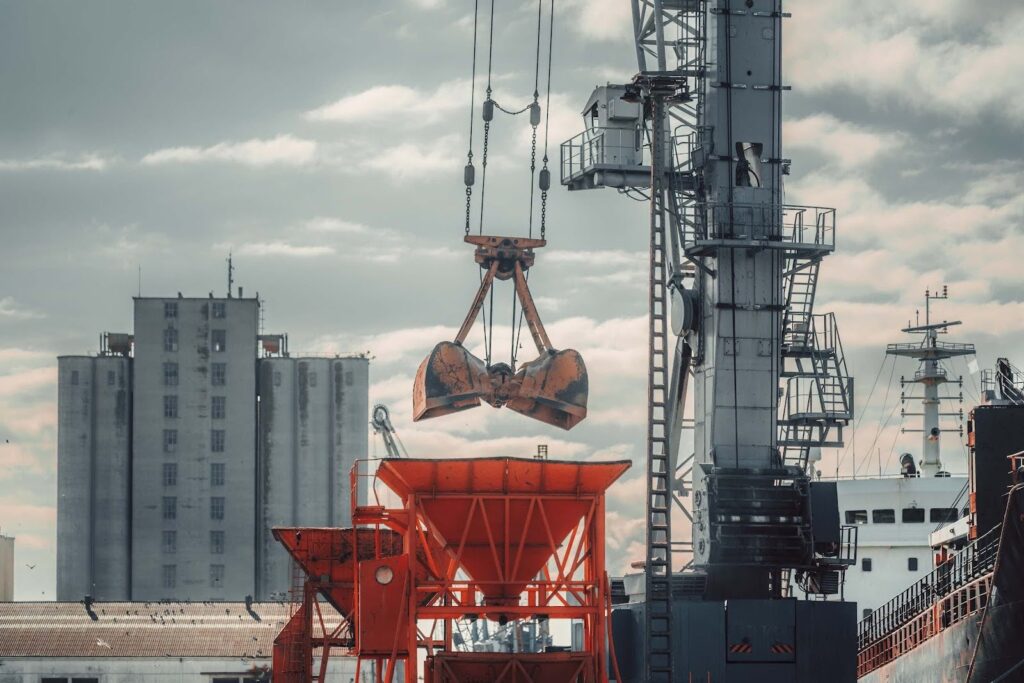
Every oversize load depends on timing. That timing only holds if everyone involved is working off the same information. Communication is what makes that happen. Without it, even the most detailed plan starts to slip.
Oversize freight moves through multiple hands. There are trucks, pilot cars, barges, cranes, escorts, local authorities, and site crews. If just one of those teams is left out of a schedule update or misses a change in the route, you start losing time and money.
Each of these players is focused on their part. If they don’t get the updates they need, things start to go wrong. The crane shows up before the barge. The truck gets held at the gate. The pilot car driver takes the wrong route. It all adds up to delays that could have been avoided.
What Strong Communication Looks Like
Real coordination happens in the field, not in long email chains. The information needs to be clear, accurate, and easy to act on.
That includes:
- A shared schedule that includes all legs of the move
- Confirmed radio channels or phone contacts between pilot cars, trucks, and site leads
- GPS tracking that can be viewed by marine crews, yard leads, and crane operators
- Confirmed lift windows, with buffer time in case of delays
- Printed route sheets for escort drivers and operators
- One point person who owns updates and handles coordination
The job runs better when everyone is working from the same playbook. That takes effort. Someone has to be responsible for making sure those updates happen in real time, and that they reach the people doing the work.
SEA.O.G Keeps Everyone On the Same Page
At SEA.O.G, we assign one logistics lead to every oversize load. That person stays with the move from planning to final delivery. They manage communication between all crews, update the timeline as things shift, and confirm that each team has what they need before they go live.
We don’t leave it up to email. We call. We text. We send updated PDFs. We stand on the dock or in the yard when needed. That’s how we keep shipments moving when other teams get stuck waiting.
Oversize loads rely on constant communication. Without it, you start missing steps and spending money on delays that could have been prevented. Keep everyone informed, confirm every window, and follow up when anything changes. That level of coordination protects the schedule and keeps the project team in control.
Conclusion on Oversized Freight Shipping
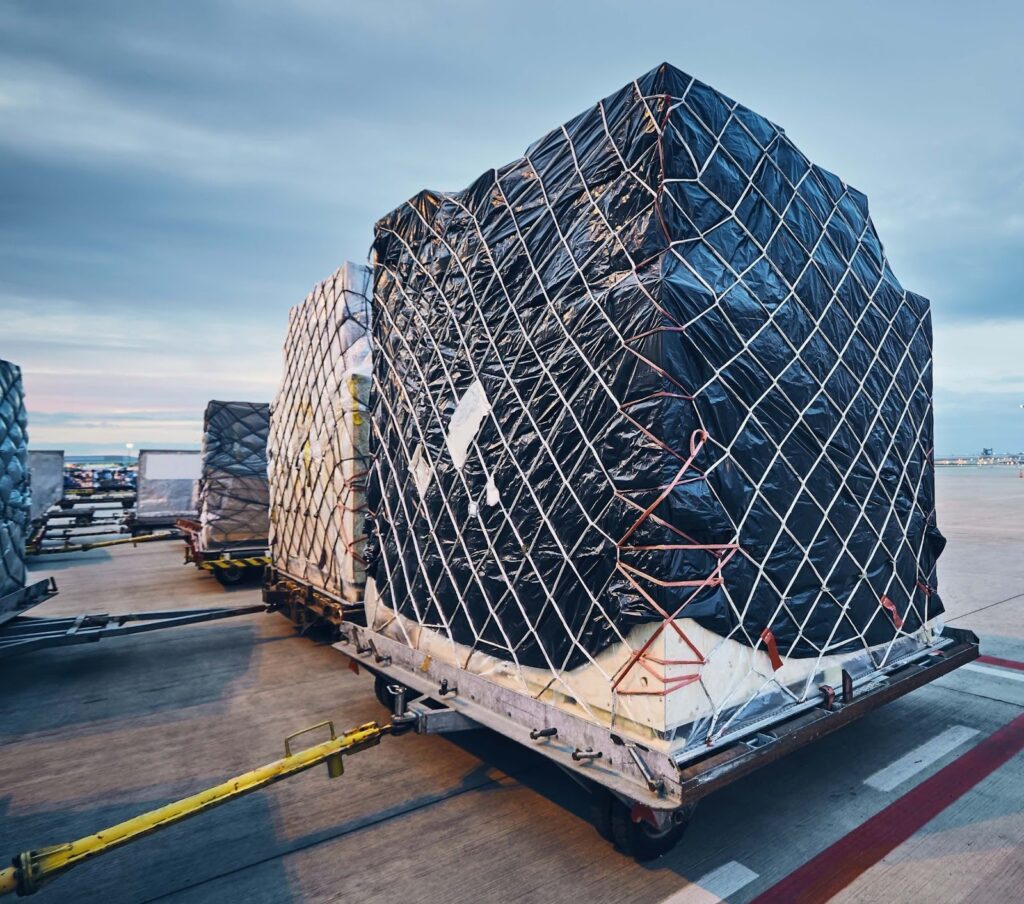
Oversize loads require planning, coordination, and follow-through at every step. It starts with verified dimensions and weight. From there, permits must be secured for each leg of the route. The right trailer or rigging setup has to be selected, and every transfer between truck, barge, and crane needs to be timed out with no gaps.
These shipments involve a lot of hands. The only way to keep things moving is with clear communication and field-ready plans. Whether you’re loading at a fabrication yard or offloading at a tight job site, the people on the ground need to know what’s coming and when.
SEA.O.G manages those details, specializing in the water leg. We coordinate marine equipment, barge load-outs, tide timing, and berth access, so your load doesn’t sit tied up waiting. Our team walks the site, checks the numbers, and keeps all parties working from the same schedule.
Oversize freight always carries risk. Managing that risk takes more than equipment and permits. It takes logistics partners who know what to look for and how to keep the operation moving. That’s what SEA.O.G brings to every job.
Key Takeaways
- Oversize loads exceed standard legal limits in width length height or weight.
- Exact dimensions matter more than estimates.
- You need special permits when you exceed standard legal limits or weight.
- Accurate load intelligence guides equipment selection.
- Route engineering covers clearances soft shoulders curves and tidal limits.
- Marine legs need alignment across barge, crane and port timing.
- Real time communication keeps everyone on the same page.
- Partnering with experienced teams cuts delays handshake issues and cost overruns.
Frequently Asked Questions
What is considered oversize freight?
Oversize freight is any load that exceeds standard legal limits in width, height, length, or weight. In most states, anything over 8.5 feet wide, 13.5 to 14 feet tall, or 80,000 pounds gross weight is considered oversize. Loads that exceed these thresholds require specialized equipment such as dual-lane trailers, SPMTs, or step decks to move safely and legally.
Who is responsible for securing the right permits?
The carrier or logistics provider is usually in charge of handling the required permits, but project teams should always verify that everything is in place. Each permit must match the exact load dimensions, weight, route, and timing. If any of that changes, you may need to refile all the paperwork to stay compliant across jurisdictions.
How long does it take to plan and execute an oversized shipment?
Planning an oversize shipment can take anywhere from a few days to several weeks. Timelines depend on the cargo, routing, jurisdictions involved, and how quickly required permits are processed. Extra time may also be needed for route surveys, marine coordination, and accounting for weather or other hazards that can delay transport.