
When your cargo is oversized, time-sensitive, and tied to a multi-million-dollar operation, delays can get expensive fast.
Demurrage and detention charges are some of the most frustrating costs to deal with, especially when they start stacking up across multiple containers or handoffs. These fees tend to sneak in when there’s a gap in planning or a slip in communication, which is something that happens often in industrial logistics.
This post breaks down what detention and demurrage charges actually are, why they’re so common in complex shipments, and how to avoid demurrage and detention charges as a whole.
What Are Demurrage and Detention Charges?
If you’ve moved project freight internationally, you’ve probably encountered demurrage or detention fees. These charges show up when equipment or containers stay in the wrong place for too long, either sitting at the port or out on the road past their allowed free time.
Knowing how and when these charges apply helps you put the right plan in place to avoid them. Here’s a breakdown:
Demurrage
Demurrage applies when a loaded container remains at the port or terminal after it has been offloaded from the vessel. Most ports provide a few free days, usually around three to five, for you to move the container. Once that window closes, daily charges begin to apply.
These demurrage fees are paid to the steamship line or terminal operator and are meant to keep cargo flowing through the port. But with oversized freight, crane scheduling, permit delays, or customs clearance in play, that timeline can tighten quickly.
Detention
Detention fees start once the container has left the terminal. If it is not returned within the allowed free time, the carrier begins charging a daily rental fee. In some areas, these are also called per diem charges.
This charge is not about storage. It is tied to holding onto the equipment past the agreed window. If your cargo takes longer than expected to unload or transfer, you can burn through those free days faster than you think.
Demurrage and detention costs can become a major issue when you’re dealing with multiple containers or equipment that needs special handling. Planning ahead, before the vessel even departs, gives you more flexibility to stay on schedule and keep these detention and demurrage fees off your invoice.
Why These Fees Happen So Often in Project Logistics
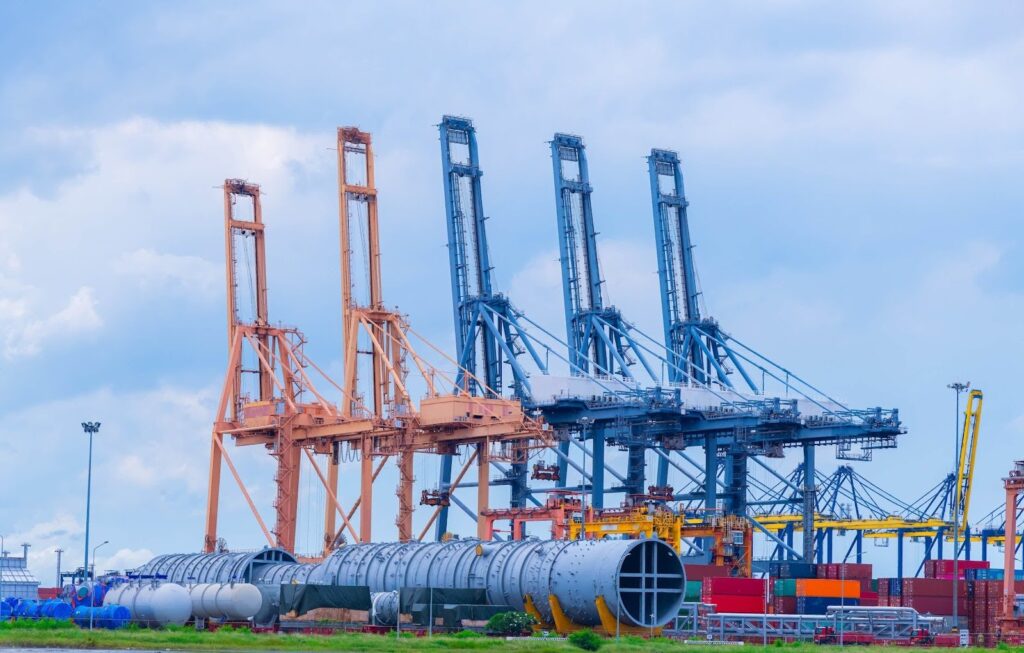
Demurrage and detention charges often show up when delays happen early in the process and aren’t resolved before the container reaches the port or leaves the terminal. In project logistics, where many moving parts are involved, those delays can build quickly, here’s why:
Project Cargo Is Complex by Nature
Industrial cargo often includes out-of-gauge (OOG), heavy lift, and high-value components that require special handling. This might involve custom crating, dual-lane permitting, specialized trailers, or crane coordination at the port. These steps take time and require cooperation from multiple vendors.
If one part of the chain slows down, such as a permit that takes longer than expected or a crane that gets tied up on another job, the rest of the move can get delayed. Meanwhile, storage clocks and equipment timers keep running.
Port Limitations and Terminal Congestion
Some ports are better prepared than others when it comes to project cargo. Certain terminals lack heavy lift capacity or may not operate on weekends. Others depend on third-party gear or require a lengthy process just to get your freight through the gate.
Congestion adds to the challenge. Vessel backups, labor shortages, or chassis availability can all slow down movement inside the terminal. When you’re waiting on clearance or local labor to show up, the added time can become costly.
Disconnect Between Transport Legs
One of the more common reasons these charges appear is a gap between different stages of the move. You might have your ocean freight scheduled perfectly, but if the inland truck isn’t ready when the container lands, the shipment will sit. Sometimes customs documents are approved, but the crane contractor doesn’t arrive until two days later.
We see this often when bringing on new clients. The logistics plan is technically complete, but no one is actively managing the sequence as it unfolds. That missing layer of real-time oversight is where delays slip in and costs begin to grow.
How to Prevent Demurrage and Detention in Complex Cargo Moves
Rushing rarely helps when it comes to avoiding demurrage and detention. What makes the difference is reducing friction, building in some breathing room, and keeping every party aligned on what needs to happen and when. These are five ways SEA.O.G. helps clients avoid unnecessary fees on time-sensitive shipments.
1. Pre-clear Cargo Before It Lands
Customs clearance delays are one of the most common causes of demurrage. Waiting until the vessel arrives to start paperwork can cost you valuable time. It’s better to work with your customs broker in advance to pre-file the right documents and confirm clearances before arrival.
With specialized cargo, you may need inspections, certificates, or other approvals. Some shipments require exemptions or escorts, and those arrangements need to be confirmed ahead of time. SEA.O.G. works directly with local agents and port authorities to make sure these steps don’t fall through the cracks.
2. Lock In All Vendors Before You Ship
We’ve seen shipments get held up simply because a vendor was not ready. That could be the crane crew, the drayage company, or the team handling rigging. If one part isn’t lined up when the container arrives, the whole sequence can stall.
The best approach is to confirm your laydown area, get the right rigging team booked, arrange any needed escorts, and confirm the port terminal has what you need. SEA.O.G. builds vendor schedules alongside your cargo plan so everyone is ready when it’s time to move.
If you haven’t reviewed our piece on how to do a route survey, it’s worth a look. That checklist helps you account for clearance, permitting, and access routes well ahead of time.
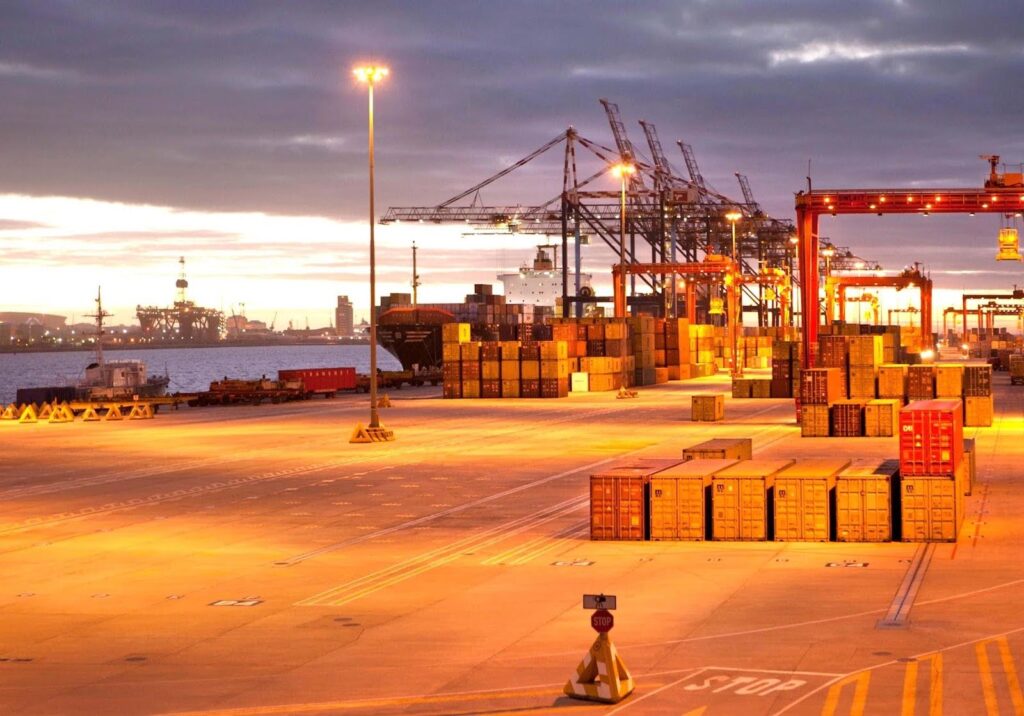
3. Build Slack Into Your Timeline
Tight timelines with no flexibility often lead to missed handoffs and added costs. We encourage clients to build in some extra room at key milestones. If your crane crew estimates four hours for a lift, give yourself six. If the port gives you three free days, try to move the container in one.
SEA.O.G. has seen how small gaps in timing can trigger large expenses. A short delay in unloading or a simple miscommunication can result in multiple days of storage and detention charges. A little extra buffer often makes a big difference.
4. Get Ground-Level Intelligence at the Port
Plans that look solid on paper can run into trouble once boots are on the ground. The team at the gate or on the crane isn’t following your schedule or reading your contract. They’re reacting to what’s in front of them that day.
SEA.O.G. works closely with port agents and local operators to get real-time updates on congestion, staffing, and access windows. If a terminal is operating on reduced hours due to a holiday or if a specific window allows for faster turnarounds, we’ll flag that for you so you can adjust your plan early.
Visibility like this helps you avoid showing up late, missing your slot, or getting stuck in a backlog.
5. Centralize Your Logistics Execution
Costs tend to creep in when each team handles their part of the move in isolation. One group may book the vessel, another handles inland transport, and someone else arranges the crane. Without one party tying it all together, it’s easy for gaps to form.
SEA.O.G. acts as a central point of contact across all those moving parts. We keep track of vendor readiness, manage the paperwork, confirm permits, and monitor the timeline from start to finish. If a detail slips, we handle it before it turns into a delay or extra charge.
This hands-on coordination is especially valuable in project logistics, where each component depends on the others and even a small delay can affect the entire delivery sequence.
The Real Cost of Getting It Wrong
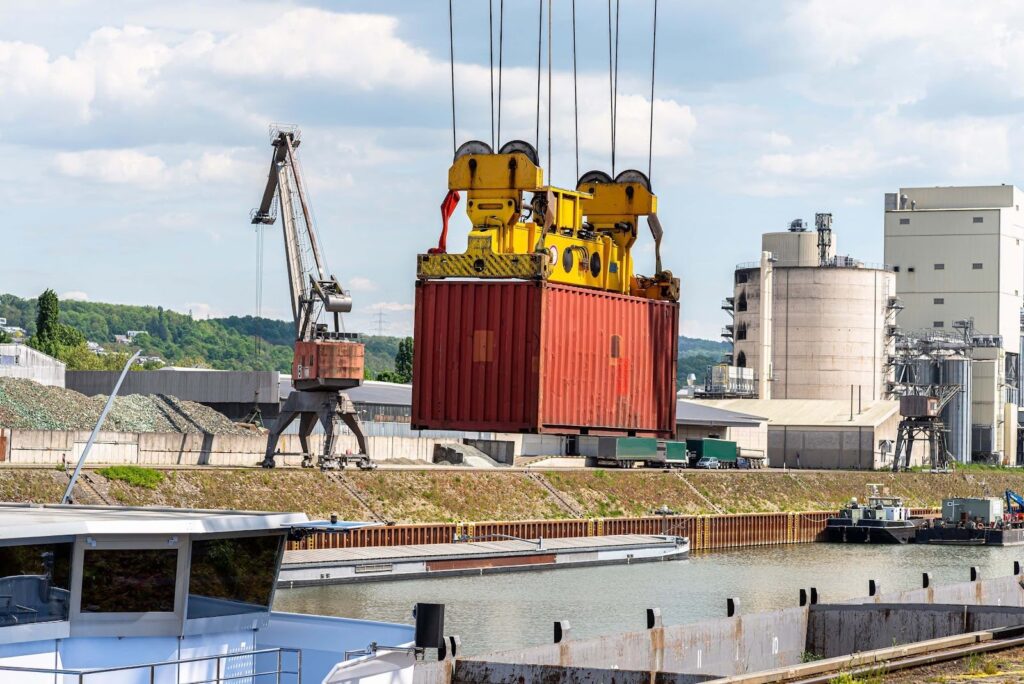
Delays often cost more than expected. In project logistics, time lost at the port or during handoffs leads to real cash out the door. These unnecessary charges tend to stack up when coordination slips or vendors aren’t aligned.
Here’s what the numbers look like:
- Demurrage: $75 to $300 per container, per day
- Detention (per diem): $100 to $200 per day
- Storage: Costs vary depending on the terminal and space availability
- Standby labor or equipment: Crane crews, riggers, and trucking companies often charge when they’re held in place
For example, a six-container shipment held at port for four days could cost over $7,000 in demurrage alone. That doesn’t include potential charges from missed crane slots, idle trucking, or yard storage. And if one delay pushes back equipment delivery to the jobsite, it can create bigger problems.
We’ve seen cases where a late shipment meant the receiving crew had to be rescheduled, permits had to be reissued, or a critical installation window was missed entirely. Extra charges come with broader consequences, including lost time, stalled labor, and potential penalties tied to project timelines.
Conclusion on How to Avoid Demurrage and Detention Charges
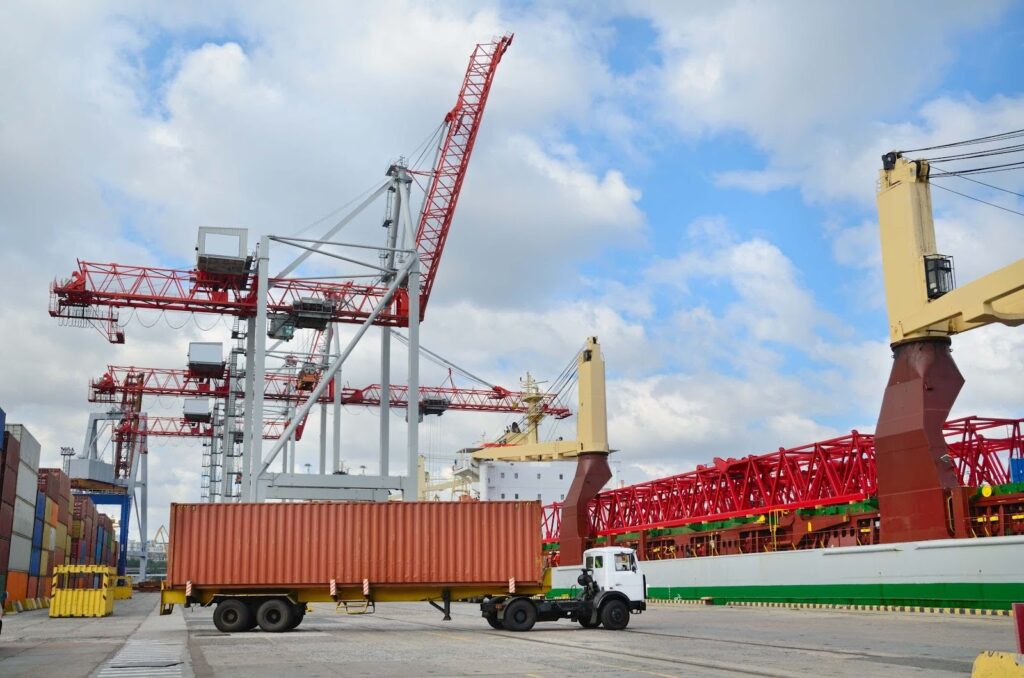
Demurrage and detention fees show up when small delays go unaddressed. In project logistics, where each move depends on tight coordination, it only takes one missed step to start racking up charges. This happens when vendors aren’t aligned, when clearance gets held up, or when no one is tracking the handoffs in real time.
Avoiding these costs takes more than a schedule. It takes active management, clear communication, and someone responsible for holding the entire sequence together. That’s what SEA.O.G. does on every project we run.
If your team is dealing with penalties, missed milestones, or last-minute scrambles at the port, we can help you get ahead of it before the clock starts running. Contact us today to learn more.
Key Takeaways
- Detention and demurrage charges add up fast when containers sit too long or equipment isn’t returned on time.
- These delays often come from permit issues, missed handoffs, or vendors not being ready.
- You can avoid most of these fees by planning ahead, locking in vendors early, and keeping the full move coordinated.
- SEA.O.G. helps clients stay ahead of delays by managing every step of the operation
Frequently Asked Questions
How can demurrage charges be avoided?
Most demurrage issues can be prevented by making sure the plan accounts for every step of the move. That includes pre-clearing cargo, confirming vendor availability, and understanding the agreed upon free time listed in the shipping contract. When everyone is aligned early, it’s much easier to avoid hold-ups and save valuable time at the port.
Can I negotiate demurrage charges?
In some cases, yes—but it depends on the shipping line and the circumstances. If the delay was due to factors beyond your control, you may be able to make a case. Still, these charges are often enforced as written, so relying on negotiations after the fact is a gamble. Solid planning is a more dependable way to keep your supply chain on track.
Who is legally responsible for demurrage charges?
Responsibility typically falls on the consignee or the party listed in the shipping contract. But in real-world operations, it often depends on who is managing the container during the delay. If the empty container isn’t returned within the allowed timeframe, the party holding it may be charged, even if the paperwork says otherwise. Clear terms and active oversight are key.
